World Lineage & allegiance
The Houses The Houses of Enkora hold their own lineages, estates and local authority. Explore the Houses of the eight founding Domains of the Kal-Muzar Enkuru, then follow the independent powers and the northern frontier.
Beyond the Houses of the union Many more Houses and Domains exist across the Akkad continent outside the Kal-Muzar Enkuru. They follow their own political systems, traditions and beliefs. Akkad ancestry does not imply allegiance to the Council.
Many independent powers whose lands have been devastated by natural disasters and the Burning Sky are in conflict with the Kal-Muzar. The eight represented Domains cannot be read as a complete map of Akkad civilization, or of Tiåmåt.
Understand the Kal-Muzar Enkuru → Explore its eight Domains →
Houses by Domain
Follow each Domain to its Great Houses and the Minor Houses attached to them. A Great House can hold its own estates, contracts and dependents within a Domain. The founding seats of the Kal-Muzar belong to the eight Domains.
Founding Domains Independent powers Northern kingdoms Communities & institutions The eight founding Domains
The ruling House of Nivek. Its networks carry water, harvests and supplies.
Dakar Nivek
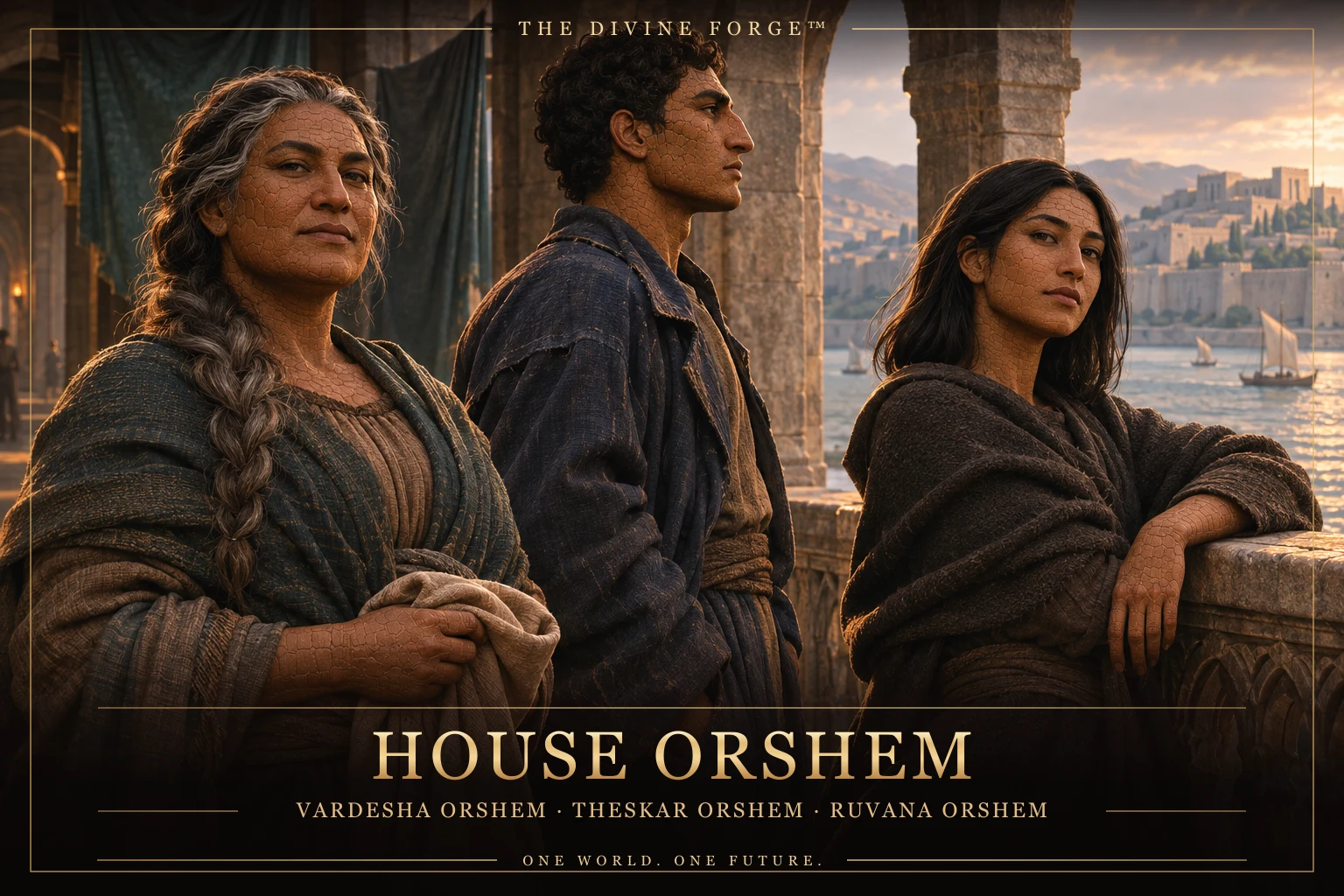
View House Nivek · Talyra → House Orshem Great House of Nivek with inland depots, fortified routes and escorts.
Belkar Orshem
House Orshem Vardesha Orshem, Theskar Orshem, and Ruvana Orshem World & Historical Background
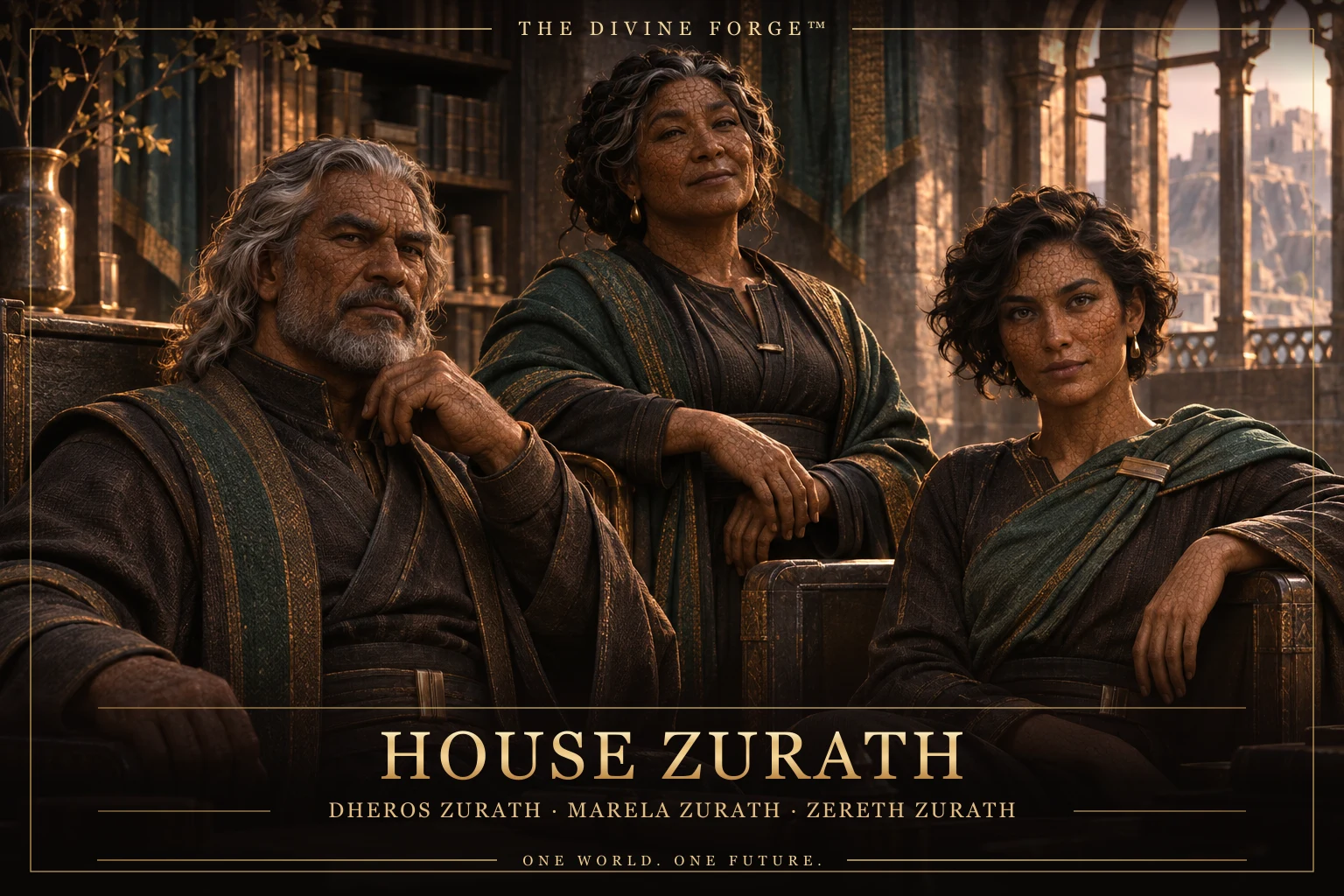
House Zurath Household of Dheros and Marela Zurath. Zereth is the household heir. Dheros Zurath
House Zurath Dheros Zurath, Marela Zurath, and Zereth Zurath World & Historical Background
House Karak The northern frontier House of Ilthari Vel-Karak, with local autonomy under its pact with Orshem. Ilthari Vel-Karak
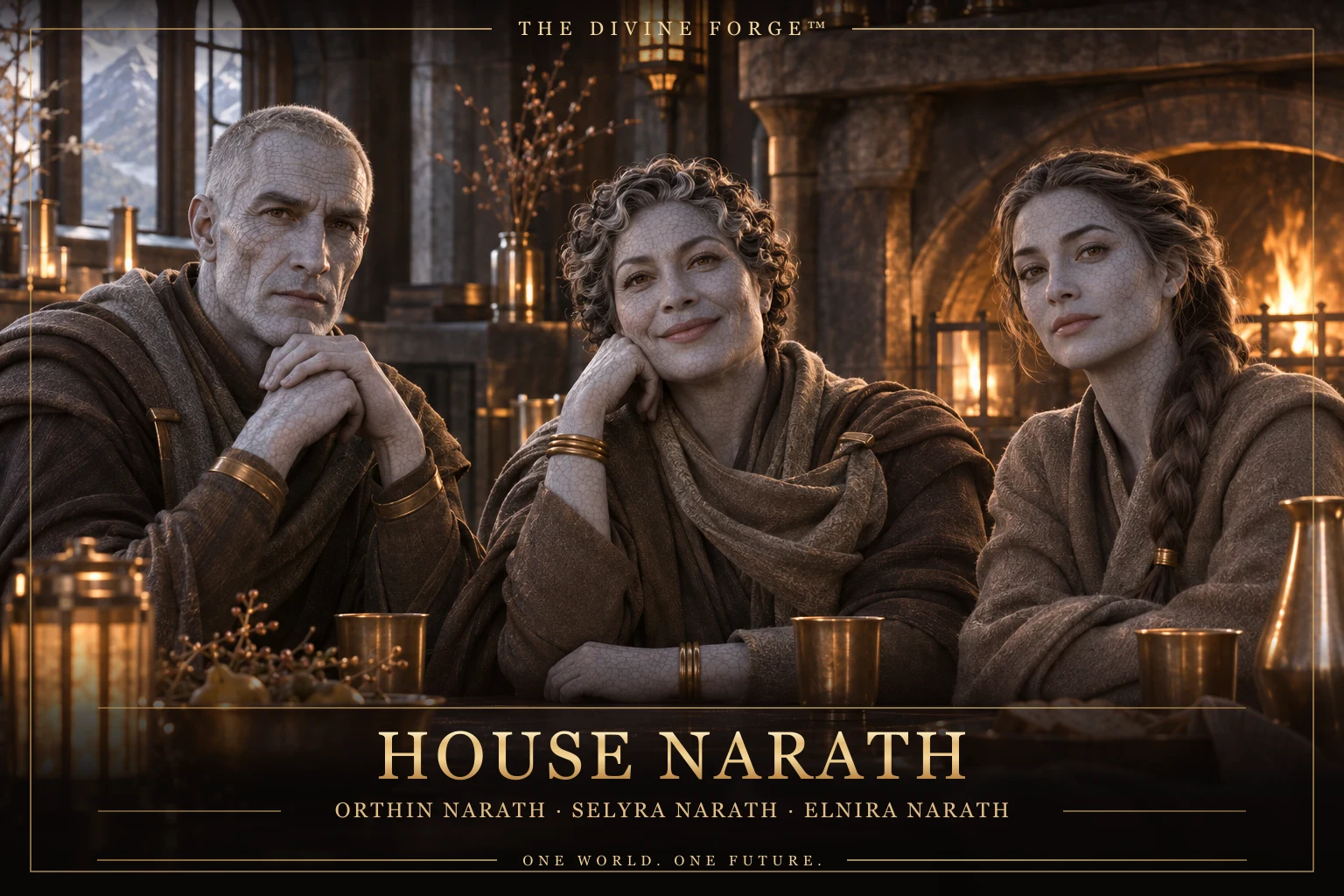
Symbols & insignia ↗ View House Karak · Ilthari and Darven's parents → View House Karak · Ilthari's household → House Narath Polar medicine and care for displaced people. The family belongs to Karak’s structure through pact and residence. House Narath Orthin Narath, Selyra Narath, and Elnira Narath World & Historical Background
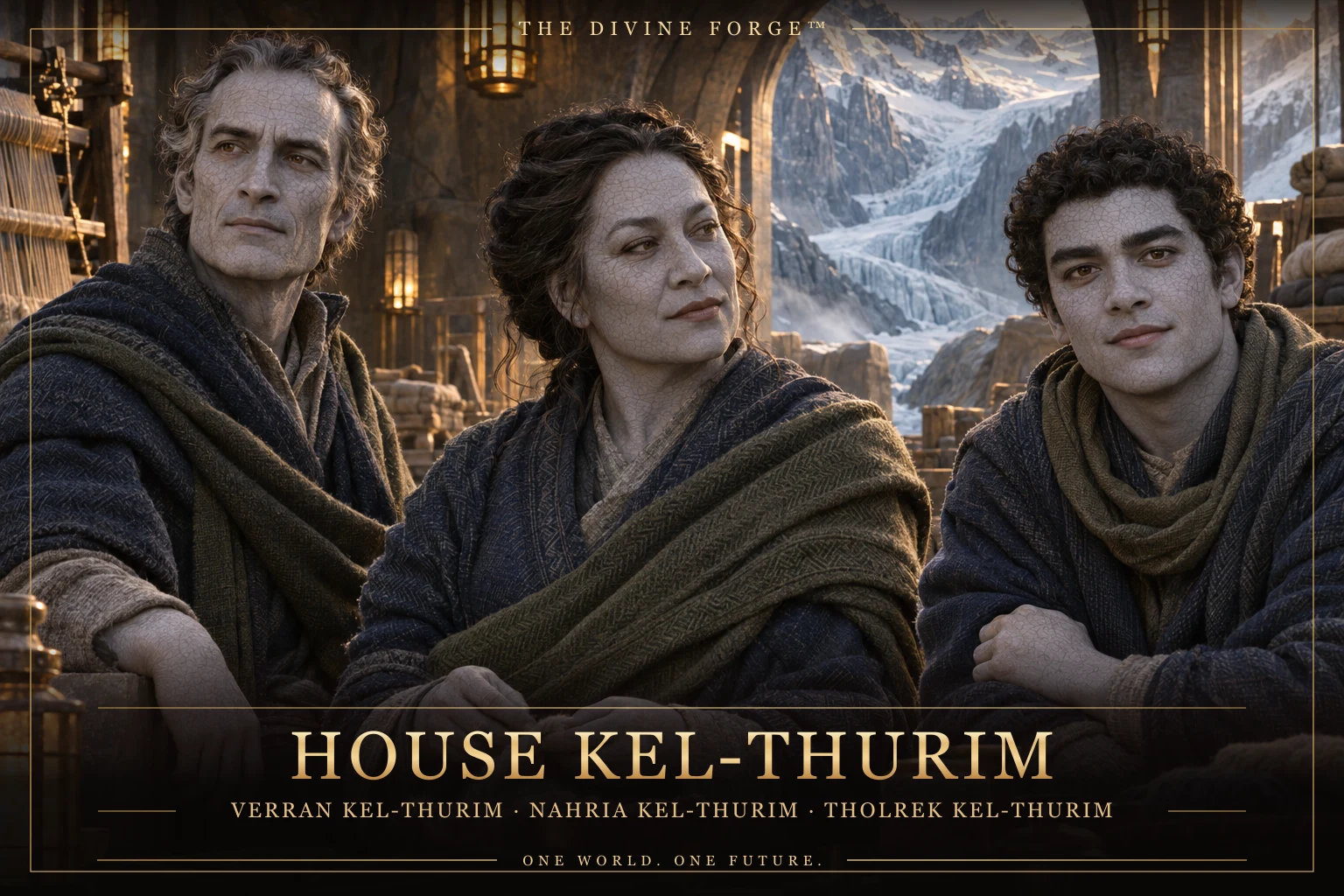
House Kel-Thurim Scouts and routes through glacial passes. The family belongs to Karak’s structure through pact and residence. House Kel-Thurim Verran Kel-Thurim, Nahria Kel-Thurim, and Tholrek Kel-Thurim World & Historical Background
The ruling House of Tarek. Its authority rests on extraction and refining.
Ak-Malurk the Gray
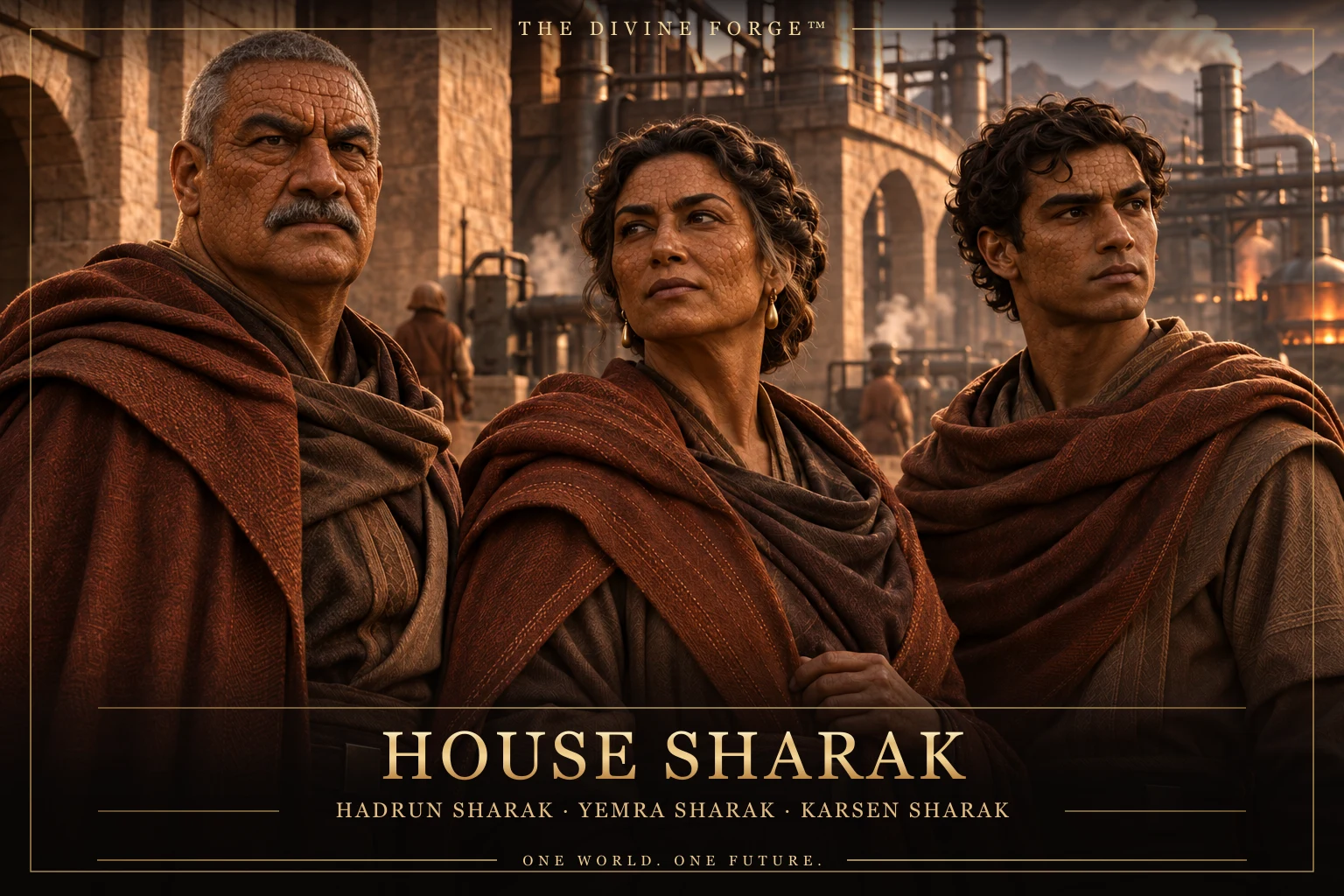
View House Malurk → House Sharak Refining and alloys at Al-Sharak. Hadrun Sharak
House Sharak Hadrun Sharak, Yemra Sharak, and Karsen Sharak World & Historical Background
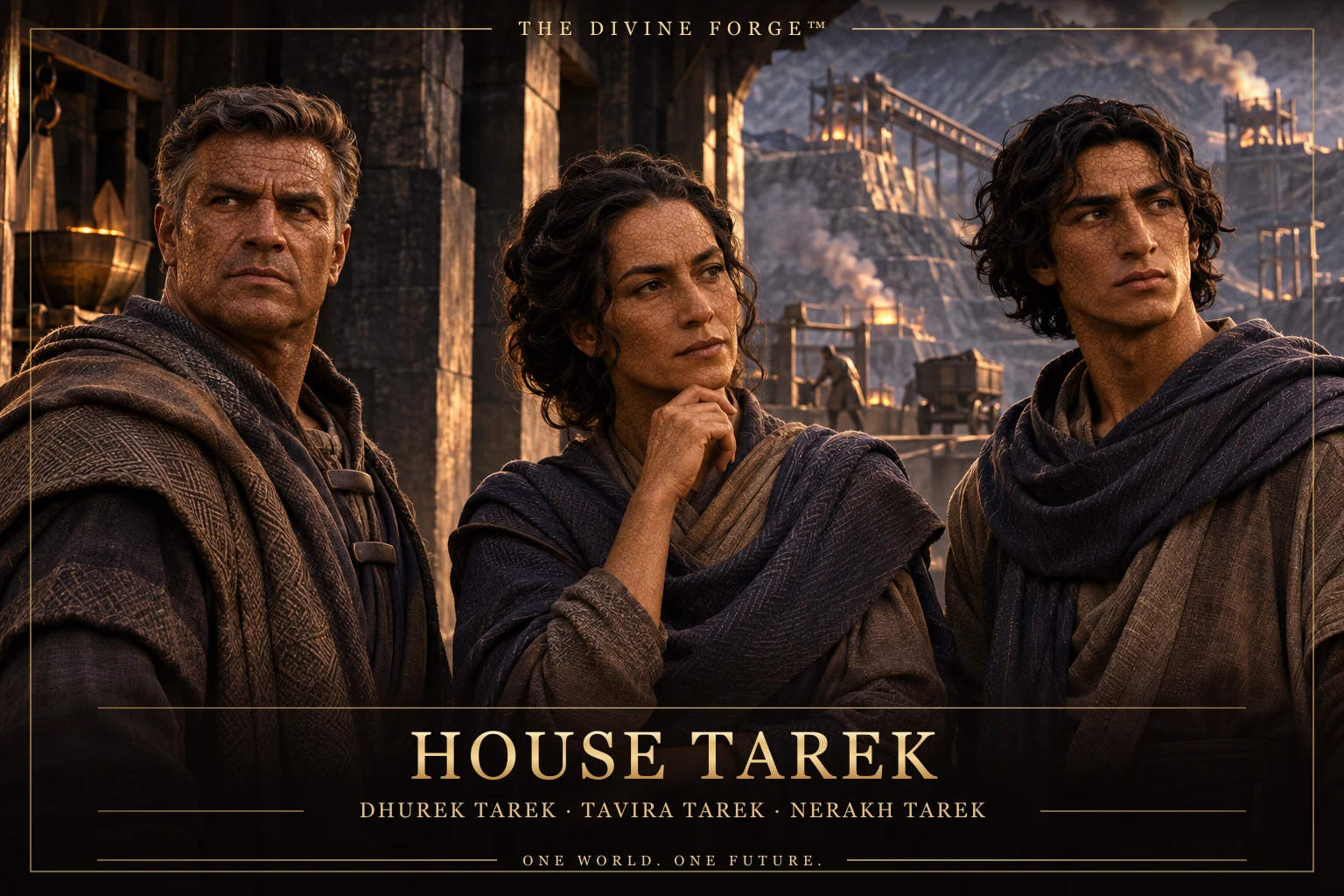
House Tarek The present House Tarek oversees mining under Malurk. The former sovereign dynasty is recorded separately. Dhurek Tarek
House Tarek · Under Malurk Dhurek Tarek, Tavira Tarek, and Nerakh Tarek World & Historical Background
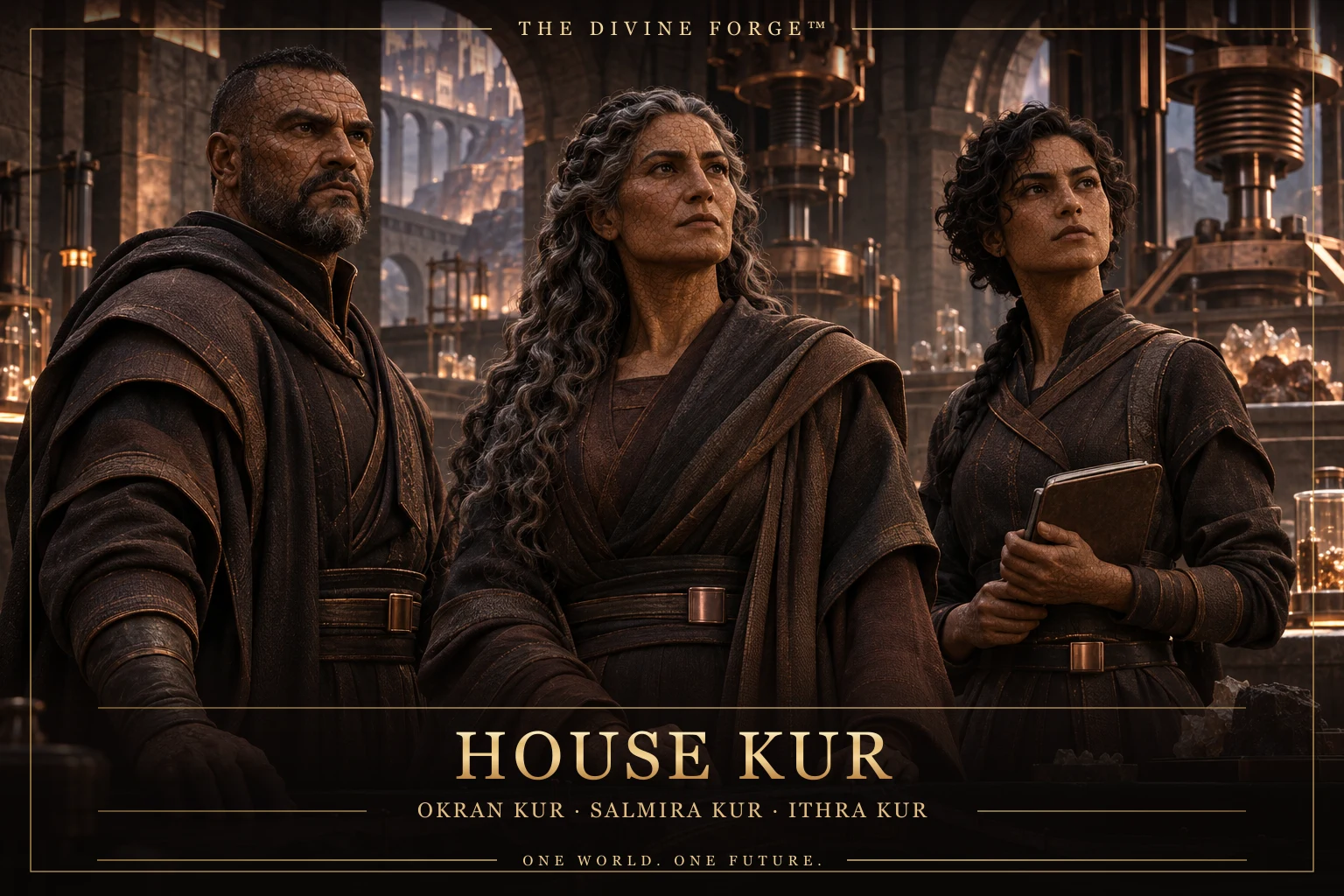
House Kur Seismic engineering and the safety of mining works. Okran Kur
House Kur Okran Kur, Salmira Kur, and Ithra Kur World & Historical Background
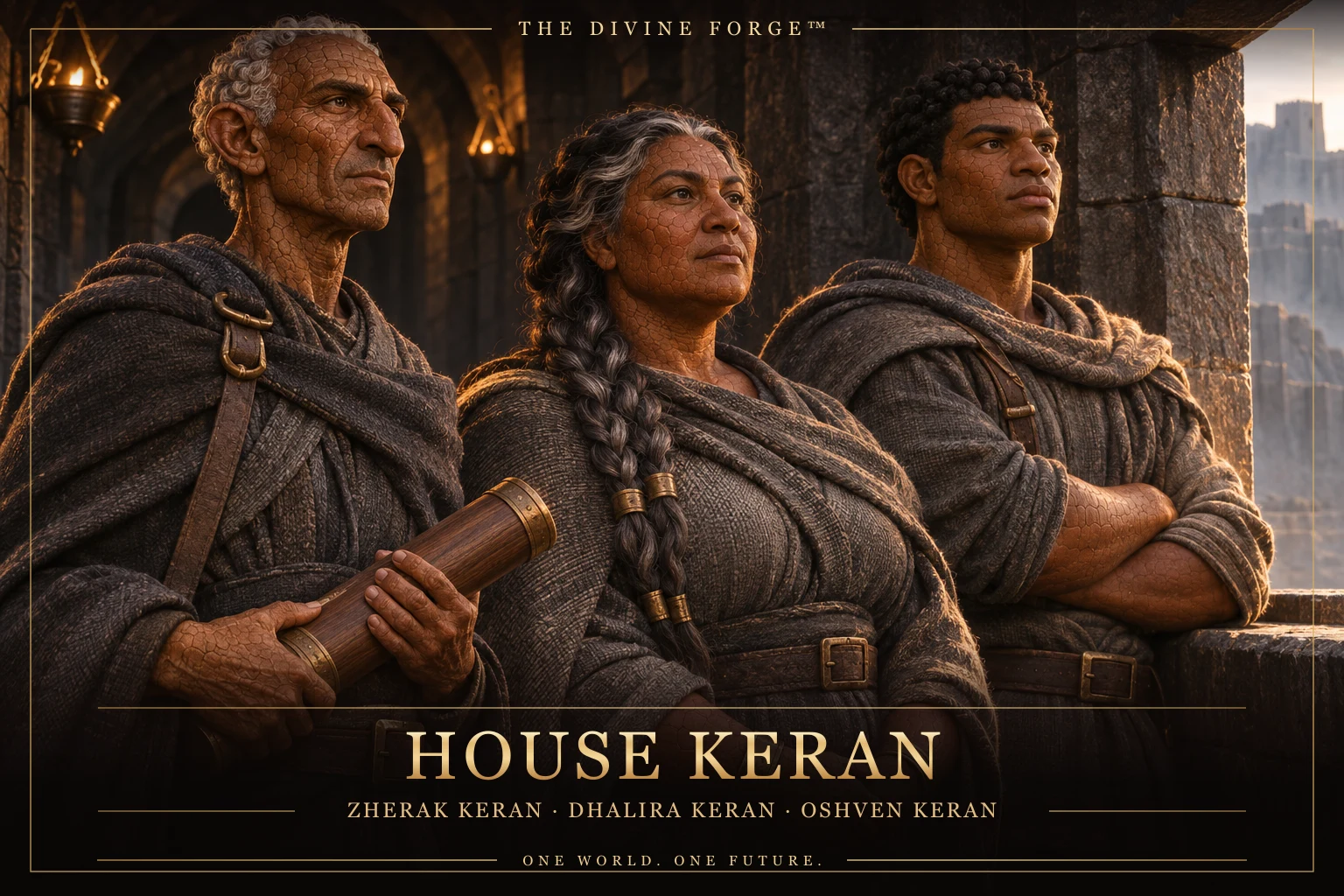
House Keran Castellany and administration of the fortress. Zherak Keran
House Keran Zherak Keran, Dhalira Keran, and Oshven Keran World & Historical Background
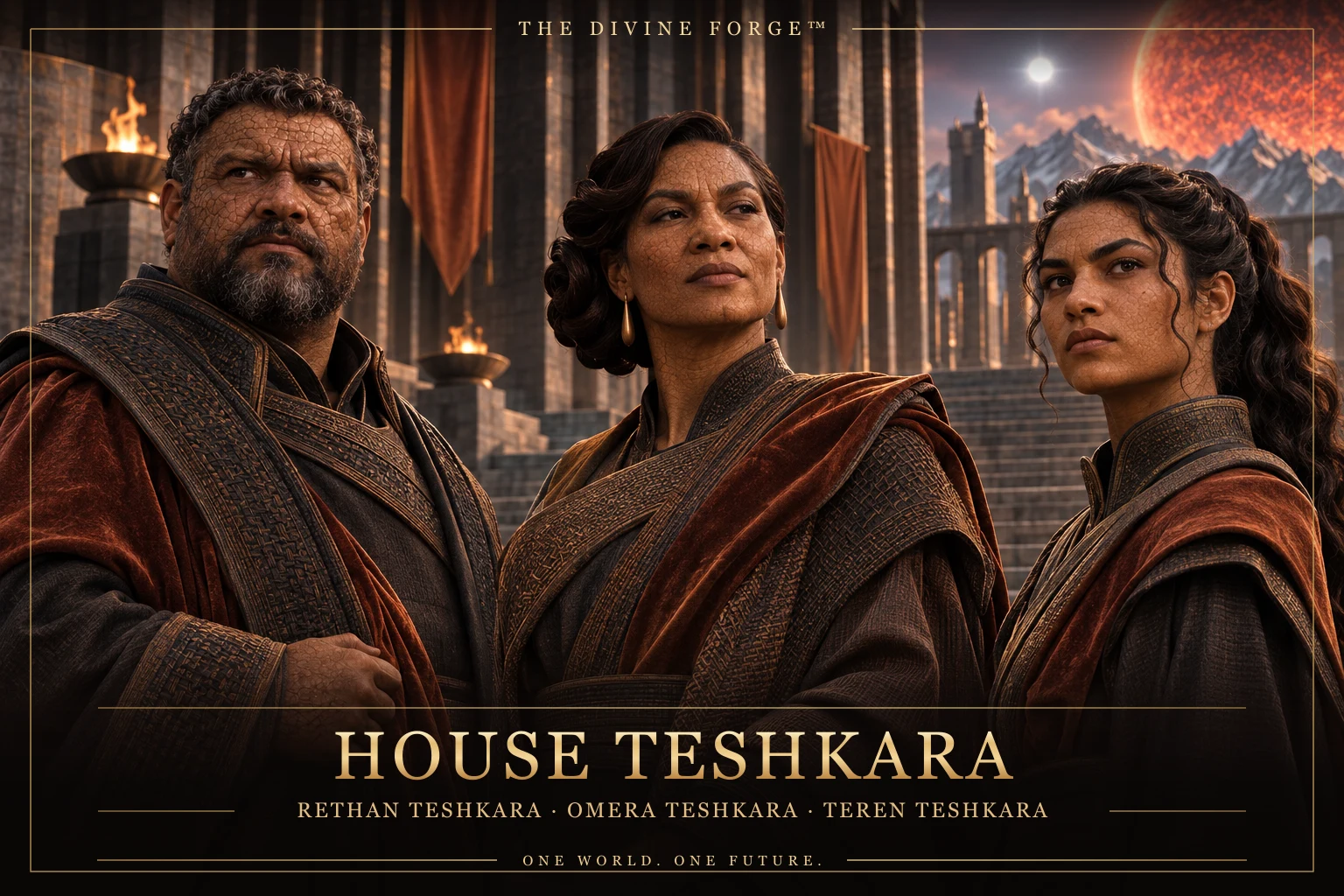
House Teshkara Great House of Tarek headed by Rethan Teshkara. Teren is his household heir.
Rethan Teshkara
House Teshkara Rethan Teshkara, Omera Teshkara, and Teren Teshkara World & Historical Background
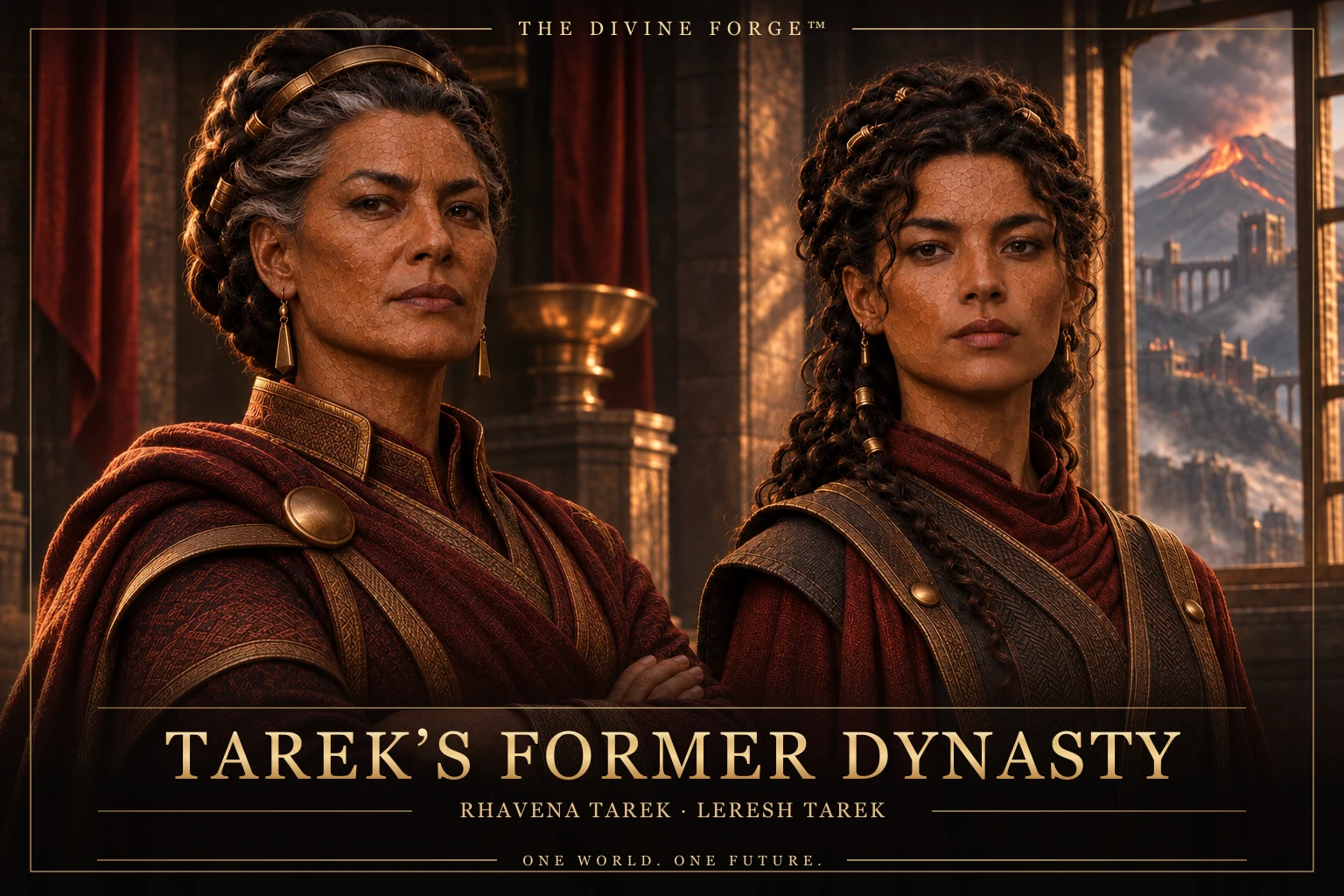
Former sovereign dynasty of Tarek The sovereign House Tarek held the Domain before the rule of Malurk.
Reshad Tarek
The former sovereign dynasty of Tarek Rhavena Tarek and Leresh Tarek World & Historical Background
The ruling House of Tharen, where coastal trade depends on fisheries and salt.
Theros Maresh
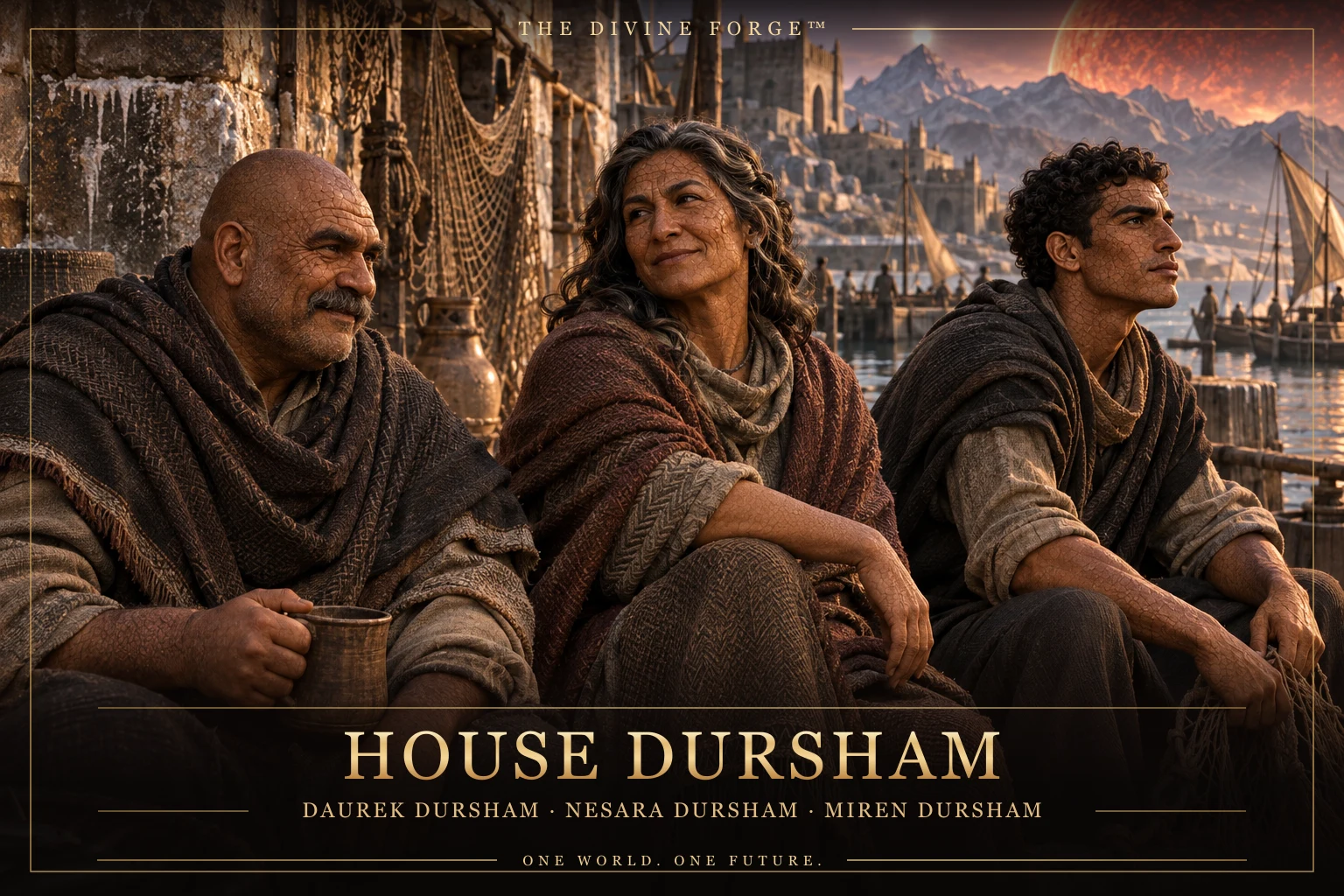
View House Maresh → House Dursham The fisheries that remain along the receding coast. Daurek Dursham
House Dursham Daurek Dursham, Nesara Dursham, and Miren Dursham World & Historical Background
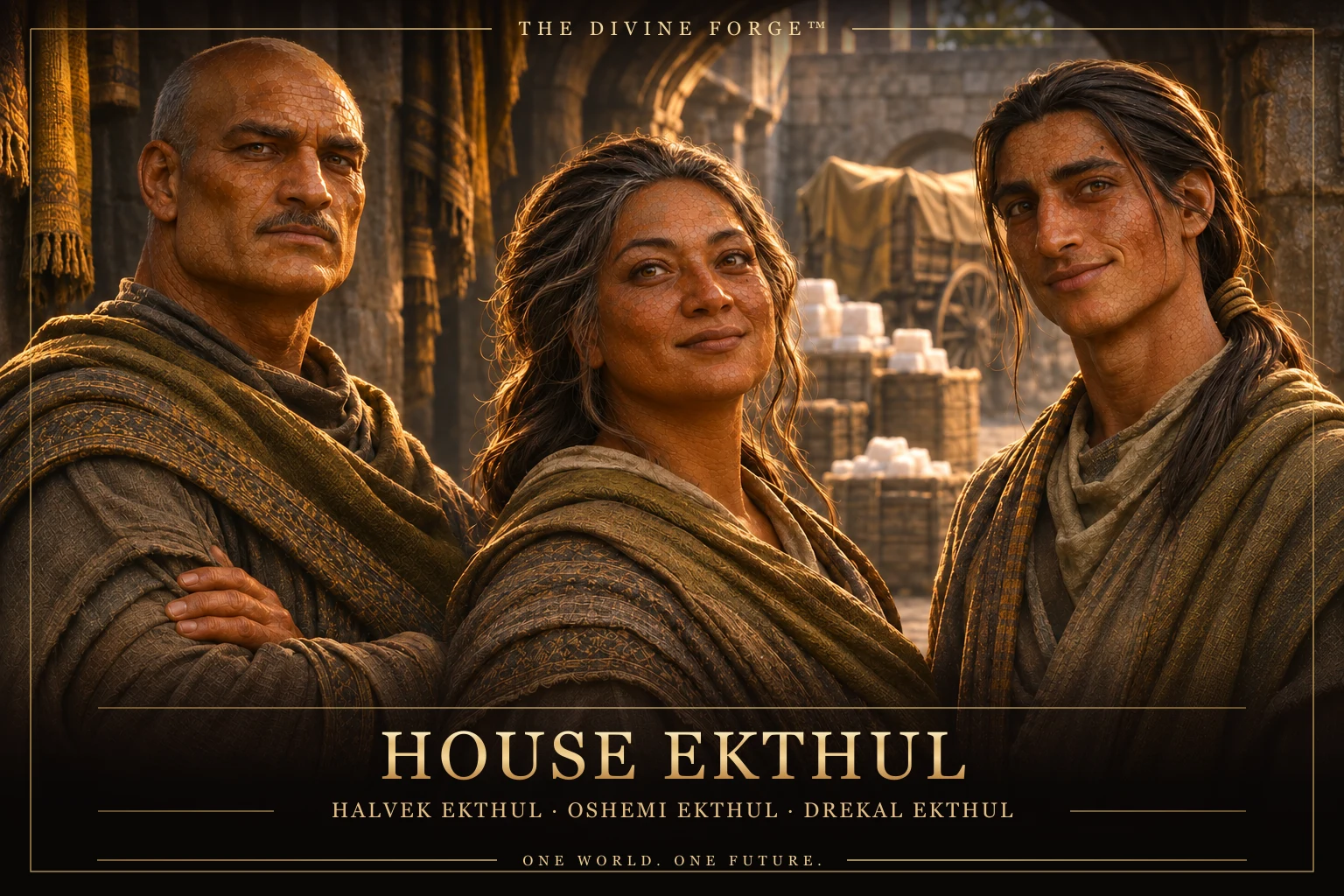
House Ekthul Salt caravans. Halvek Ekthul
House Ekthul Halvek Ekthul, Oshemi Ekthul, and Drekal Ekthul World & Historical Background
Great House of Tharen led by Orelvek. Its dependents work in coal and underground transit, and the House has a tradition of archival custody.
Orelvek Thevara
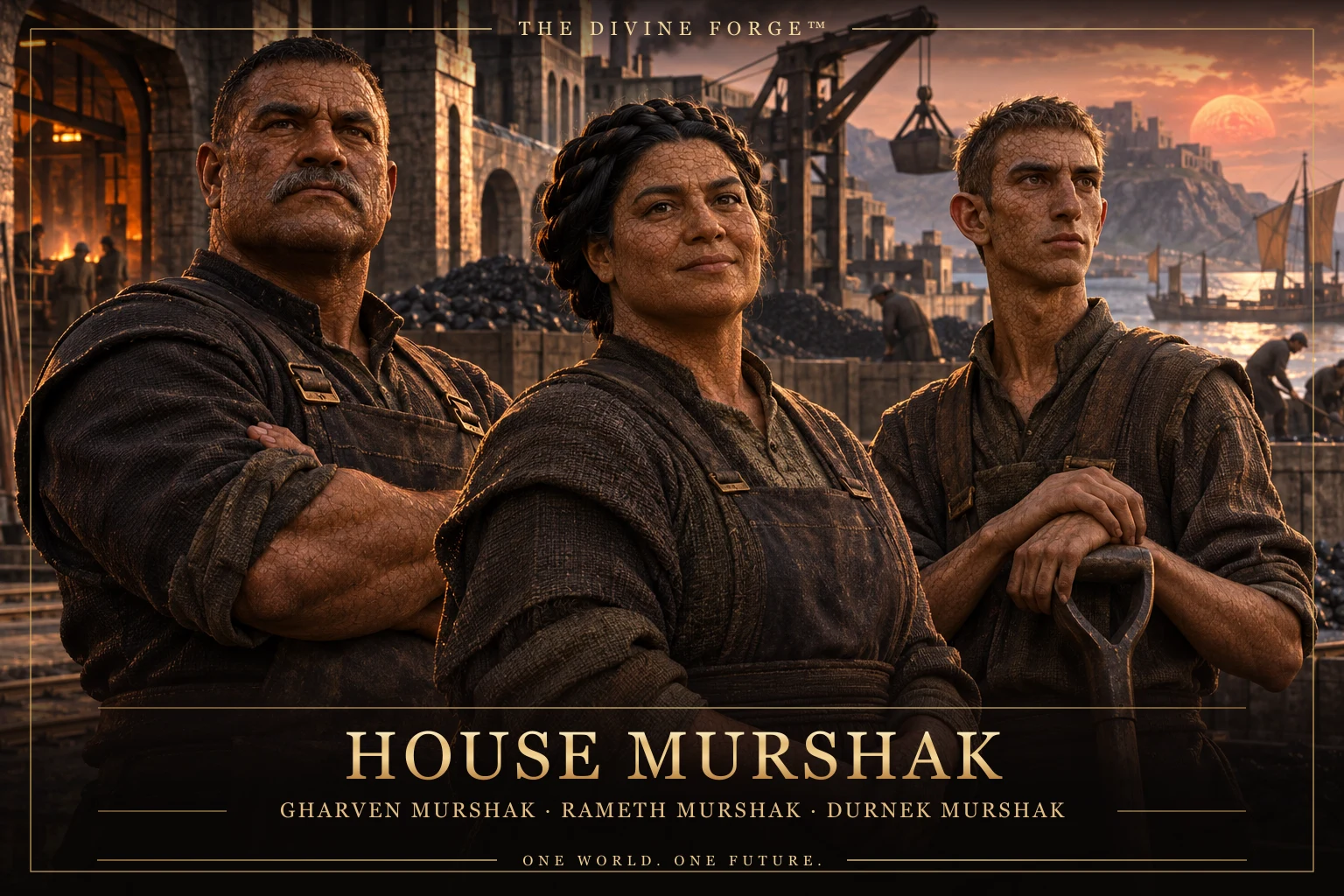
View House Thevara → House Murshak Coal and industrial labor. Gharven Murshak
House Murshak Gharven Murshak, Rameth Murshak, and Durnek Murshak World & Historical Background
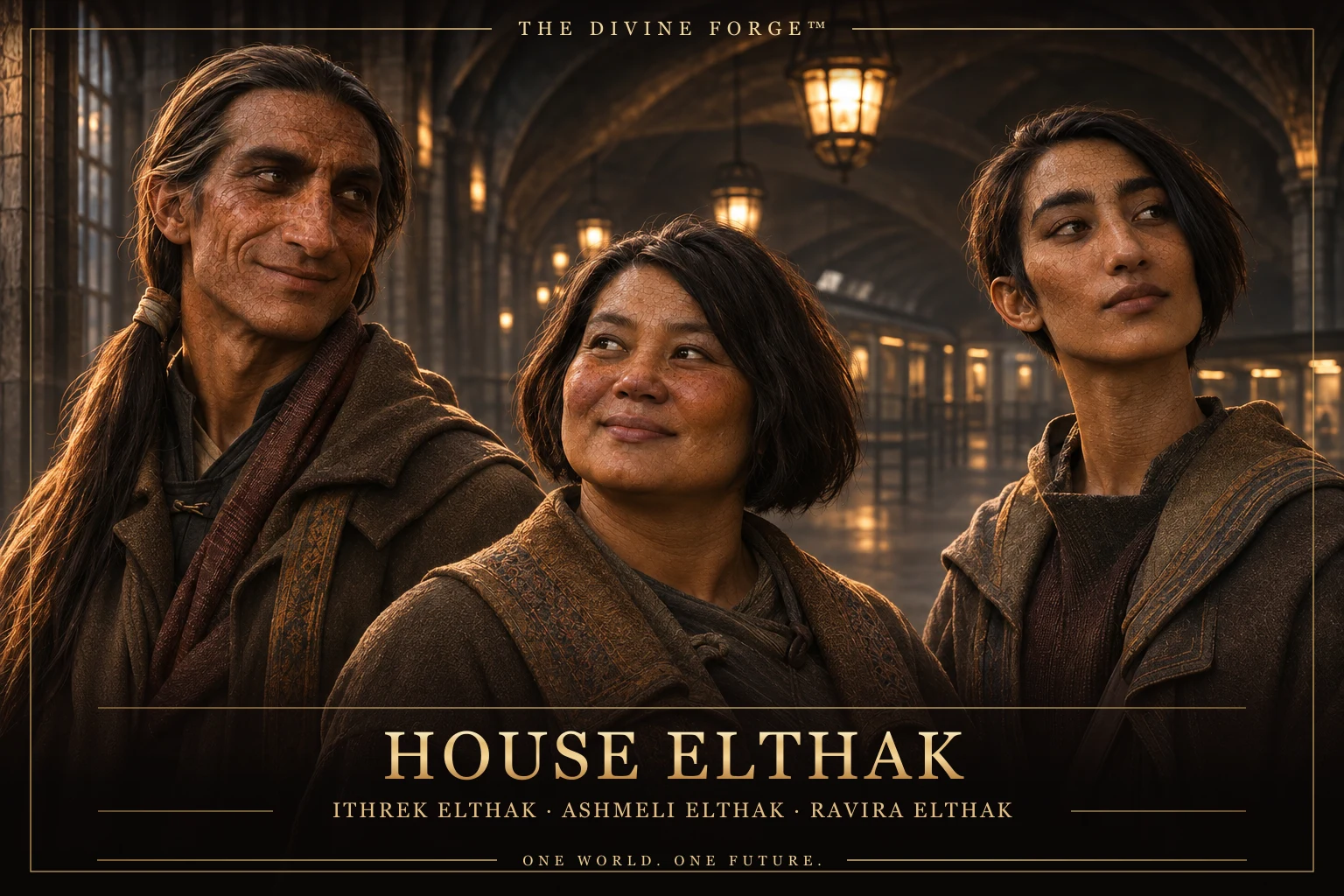
House Elthak Underground transport. Ithrek Elthak
House Elthak Ithrek Elthak, Ashmeli Elthak, and Ravira Elthak World & Historical Background
The ruling House of the eastern border Domain.
Durok Irek
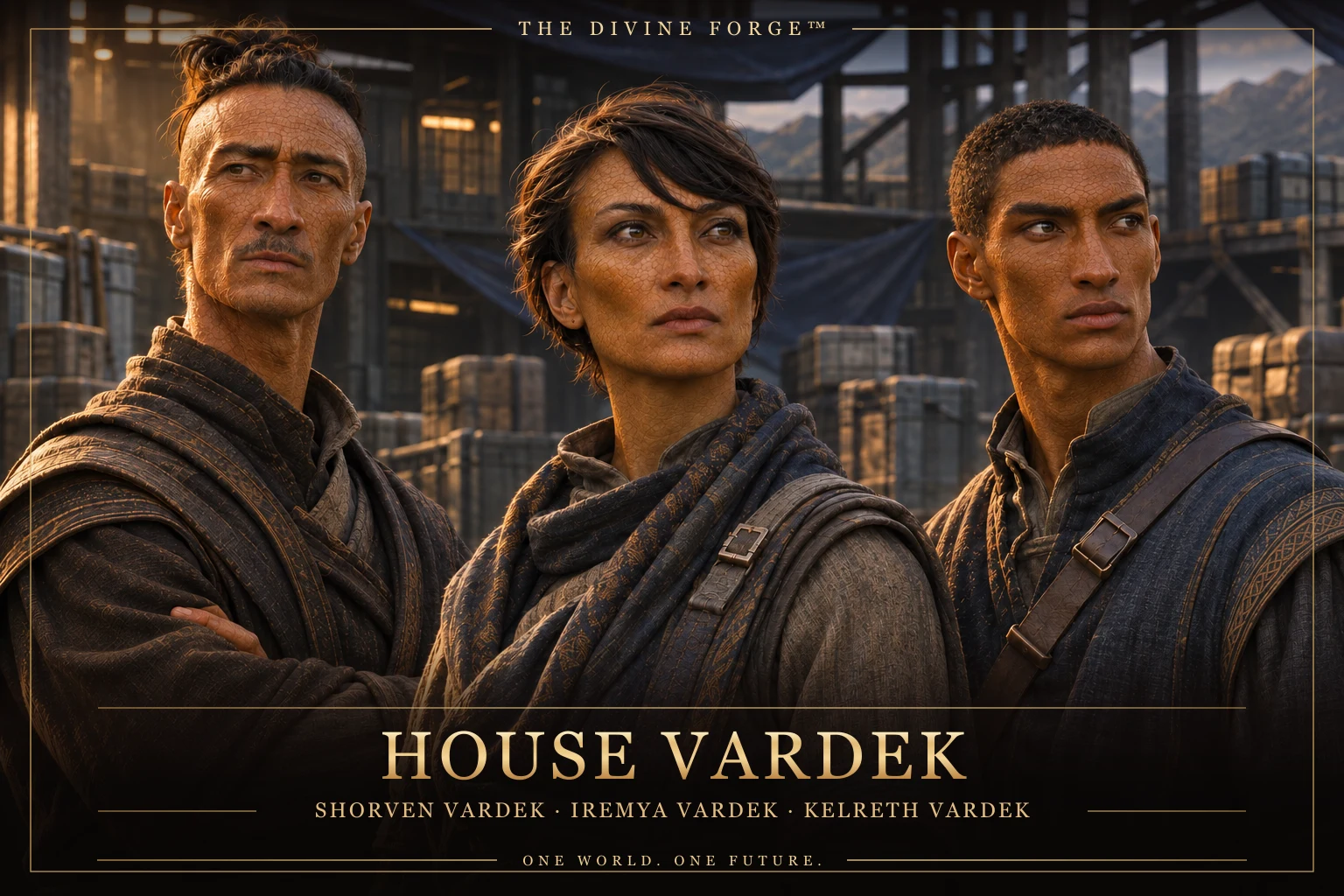
House Vardek Frontier depots, spare parts and supply escorts. Shorven Vardek
House Vardek Shorven Vardek, Iremya Vardek, and Kelreth Vardek World & Historical Background
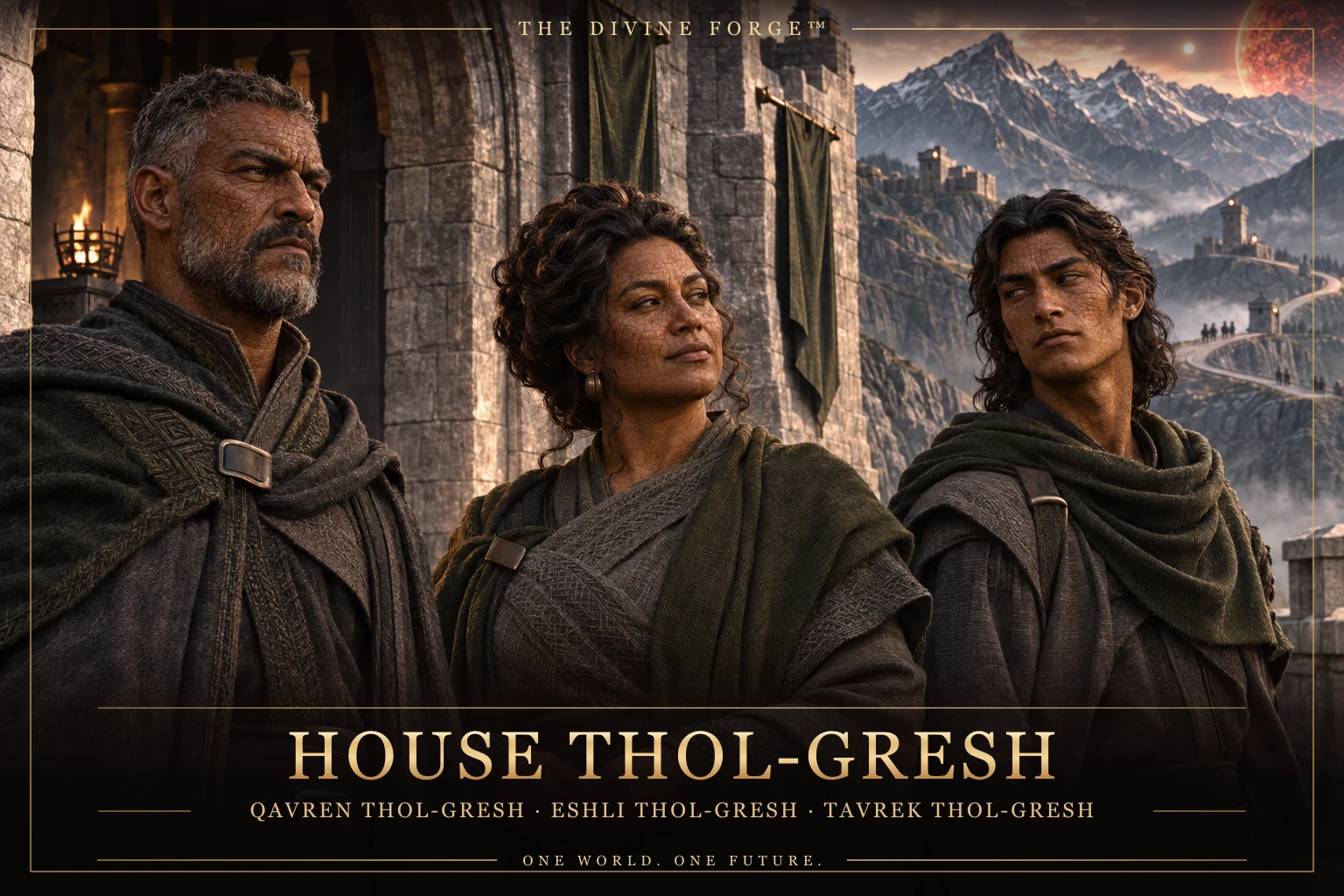
House Thol-Gresh A Minor House of Irek-Nal led by Qavren Thol-Gresh. Qavren Thol-Gresh
House Thol-Gresh Qavren Thol-Gresh, Eshli Thol-Gresh, and Tavrek Thol-Gresh World & Historical Background
The ruling House of the volcanic frontier.
Kurat Surian
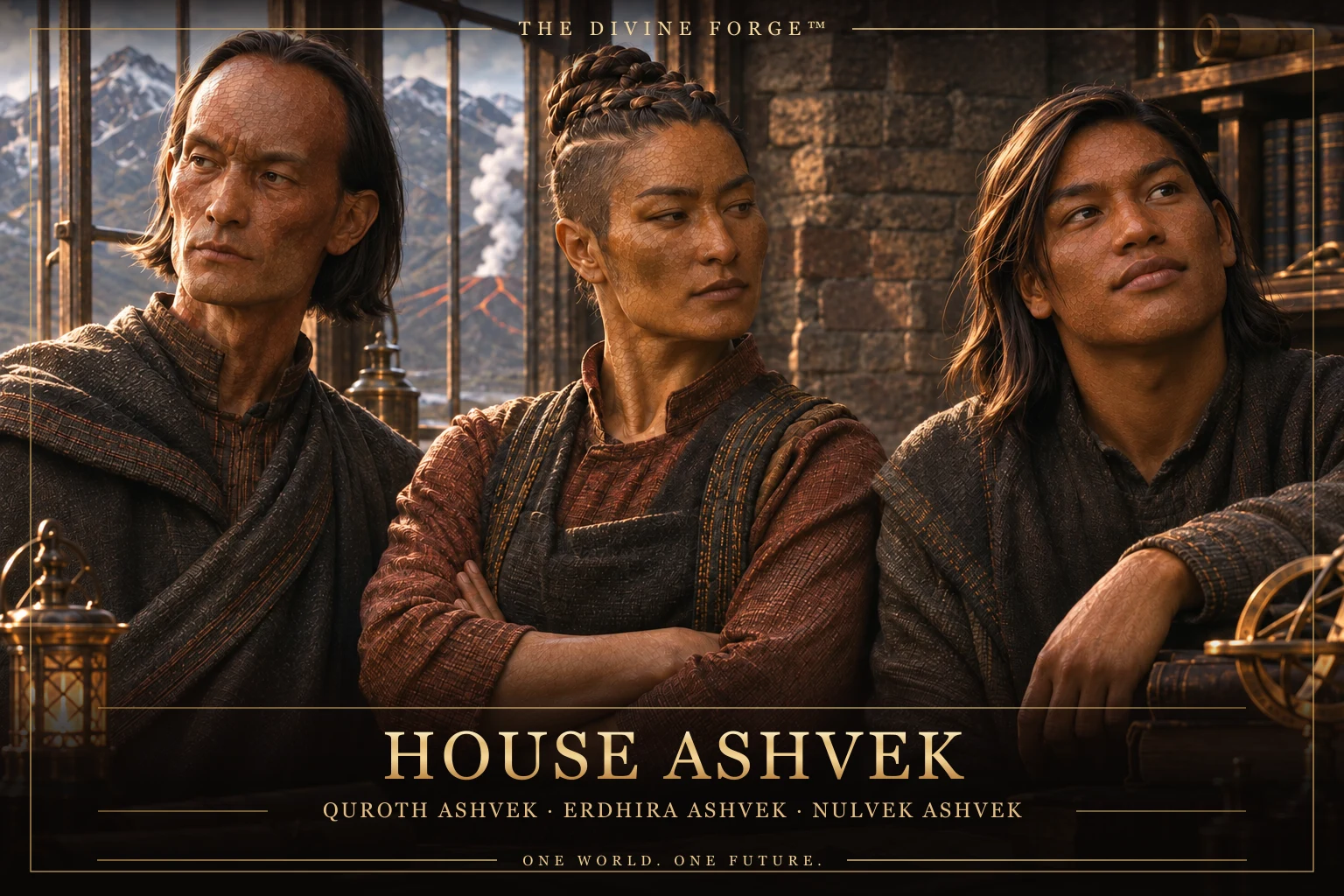
View House Surian → House Ashvek Volcanic passes, mineral stores and caravan rescue. Quroth Ashvek
House Ashvek Quroth Ashvek, Erdhira Ashvek, and Nulvek Ashvek World & Historical Background
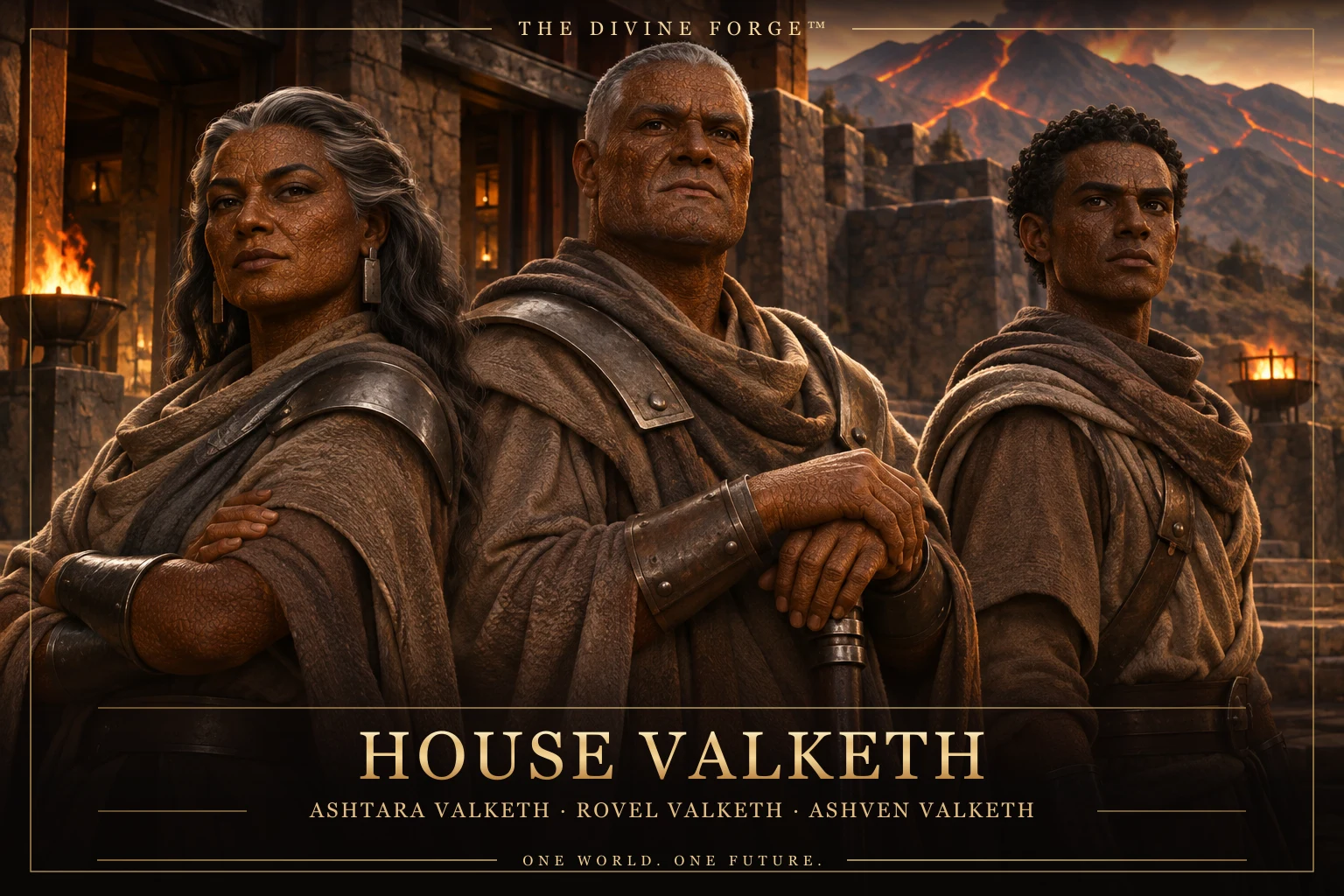
House Valketh A Minor House of Surian led by Ashtara Valketh. Ashtara Valketh
House Valketh Ashtara Valketh, Rovel Valketh, and Ashven Valketh World & Historical Background
Outside the Kal-Muzar
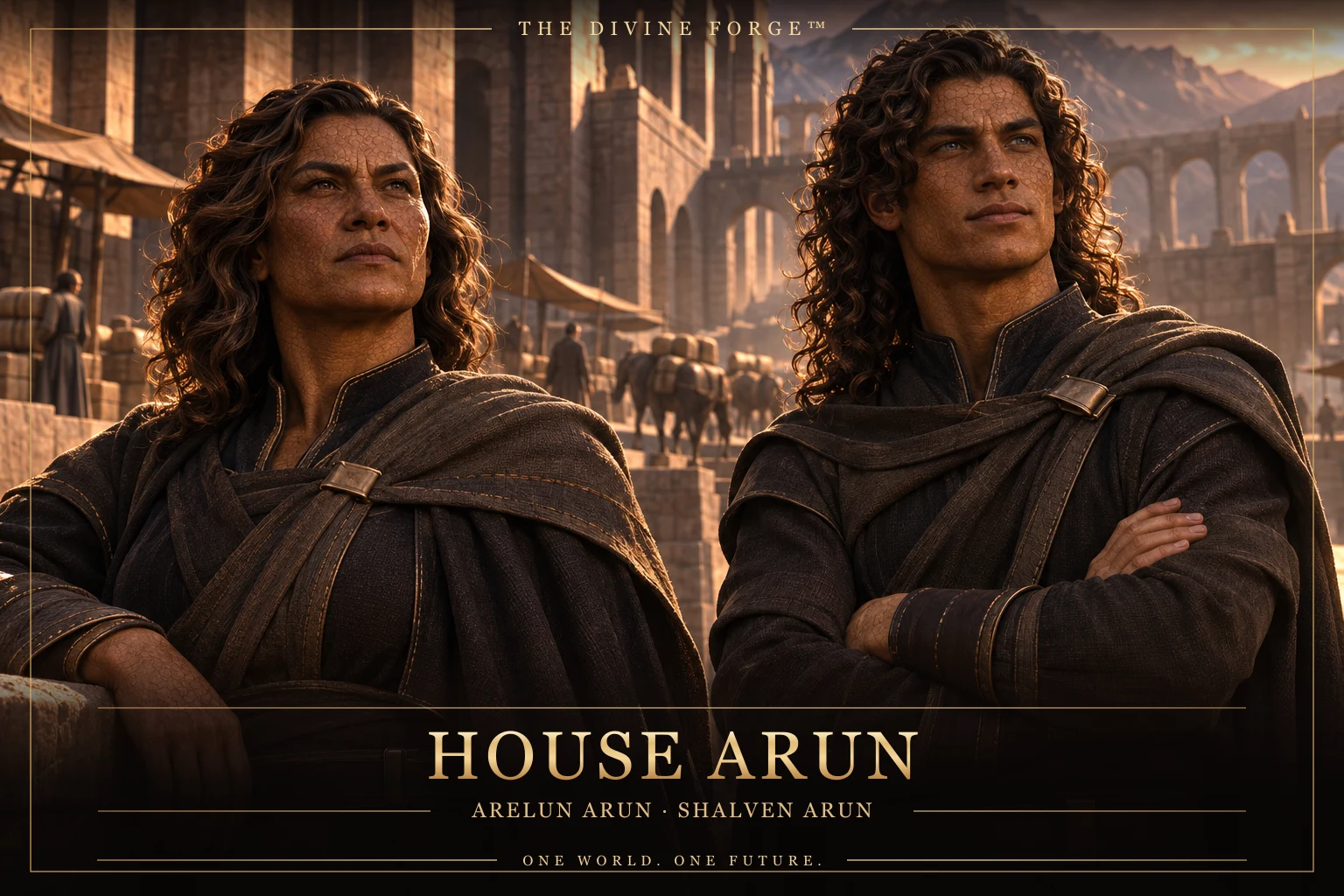
Keth-Arun House Arun Nereth Arun governs an independent Domain that controls a land corridor and trades with its neighbors.
Nereth Arun
House Arun Arelun Arun and Shalven Arun World & Historical Background
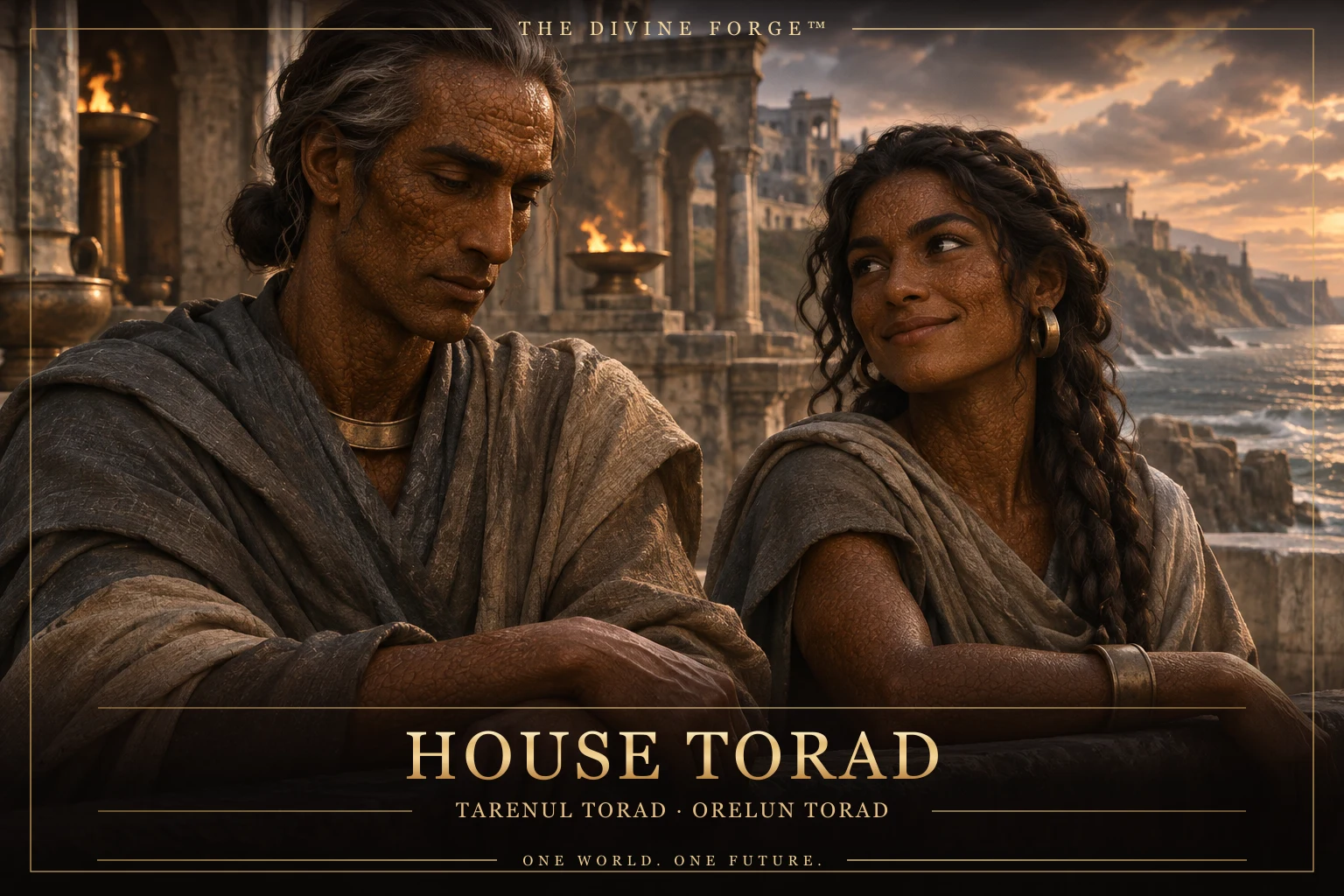
Vesh-Torad House Torad Sevra Torad governs a Domain of ports and salt depots, where access to water shapes neutrality and trade.
Sevra Torad
House Torad Tarenul Torad and Orelun Torad World & Historical Background
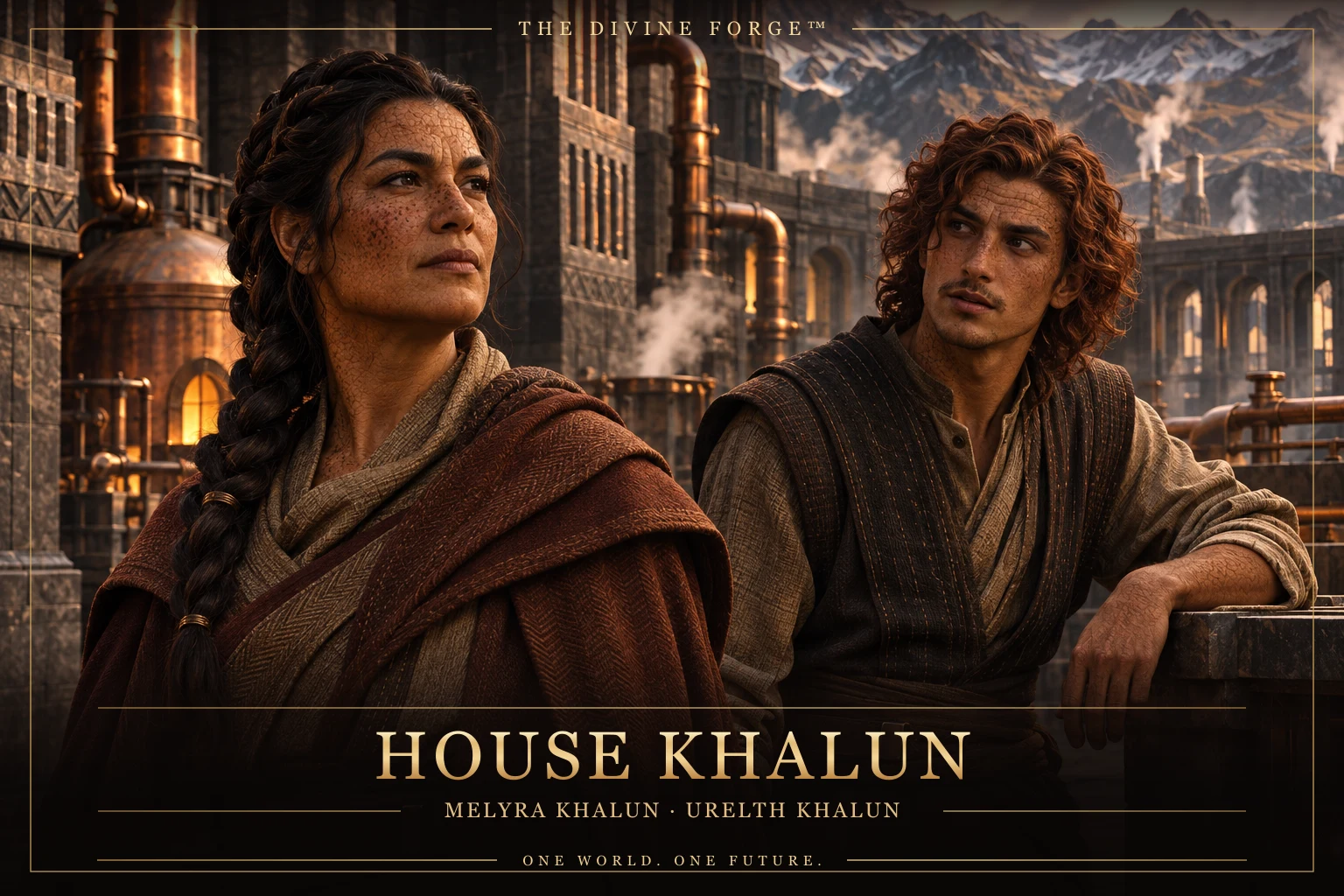
Orm-Khal House Khalun Teral Khalun governs a Domain of workshops and geothermal heat that supplies spare parts to several powers.
Teral Khalun
House Khalun Melyra Khalun and Urelth Khalun World & Historical Background
The seven northern kingdoms
The Hakbiru crowns govern separate realms. Communities retain their rights to common resources and choose their own representatives.
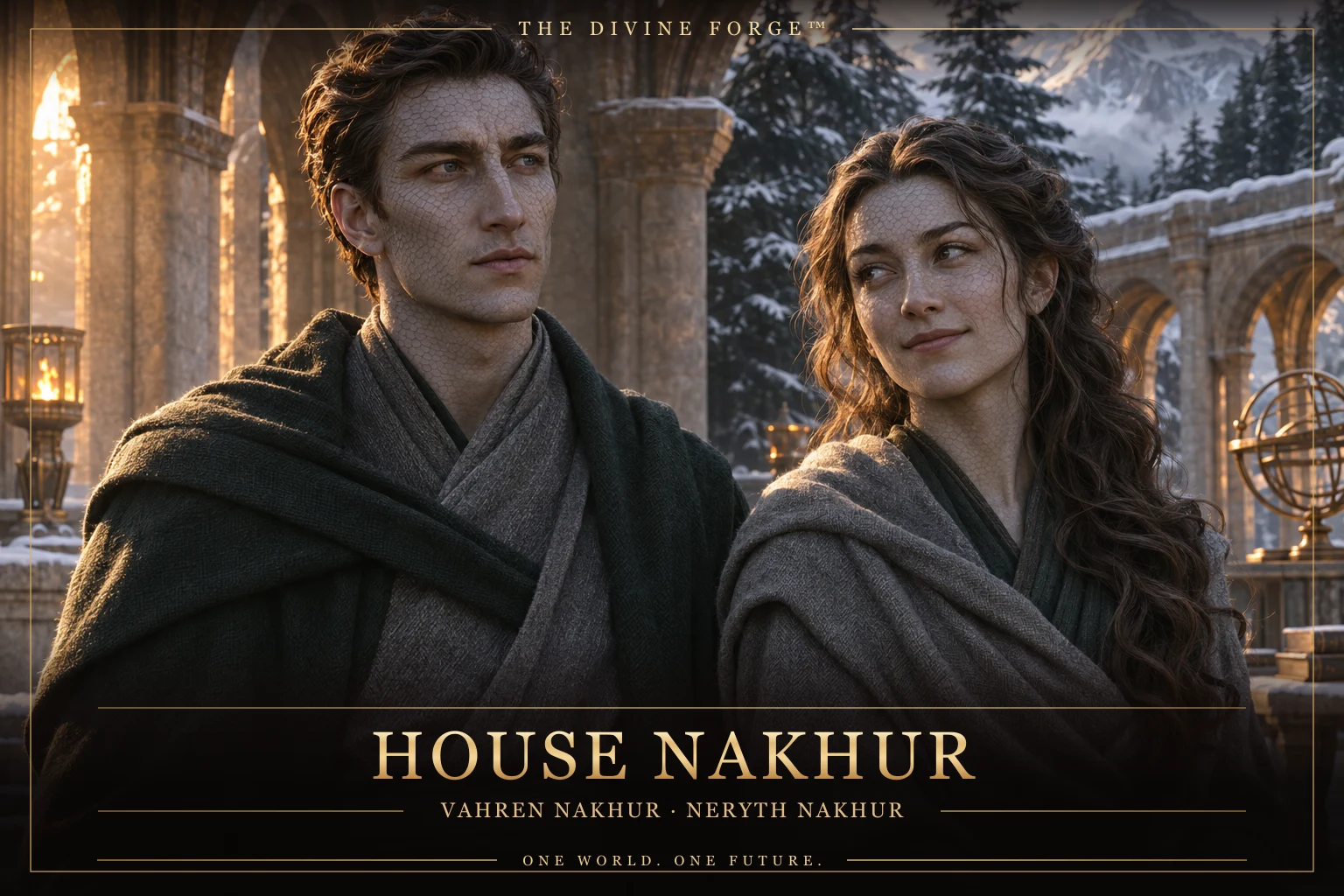
Thur-Nakhem House Nakhur Rauken Nakhur
House Nakhur · Rauken and Esheli's household Vahren Nakhur and Neryth Nakhur World & Historical Background
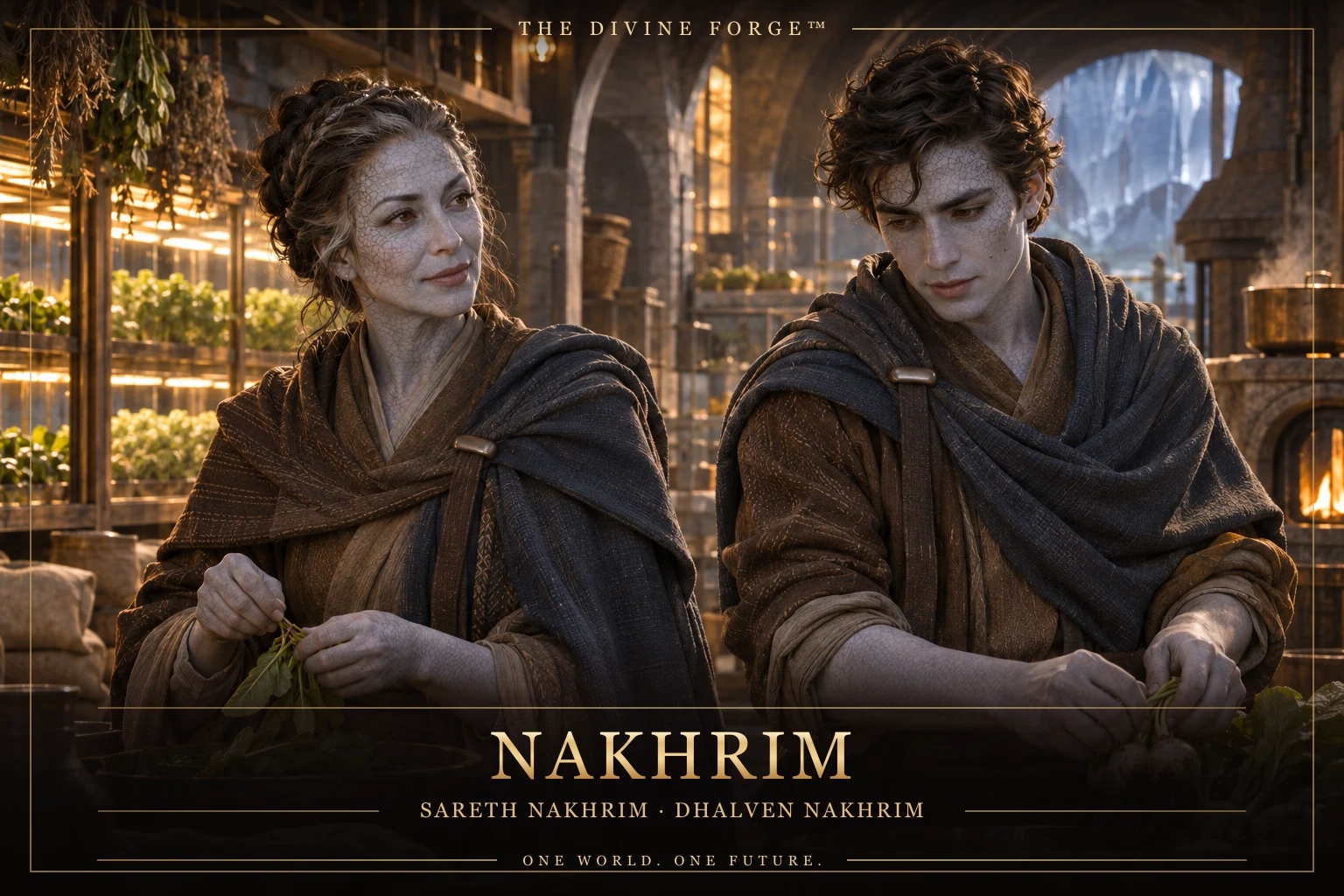
Nakhrim communities Communities of Thur-Nakhem tied to subglacial agriculture and reserves.
Nakhrim · Reserve coordinator's family Sareth Nakhrim and Dhalven Nakhrim World & Historical Background
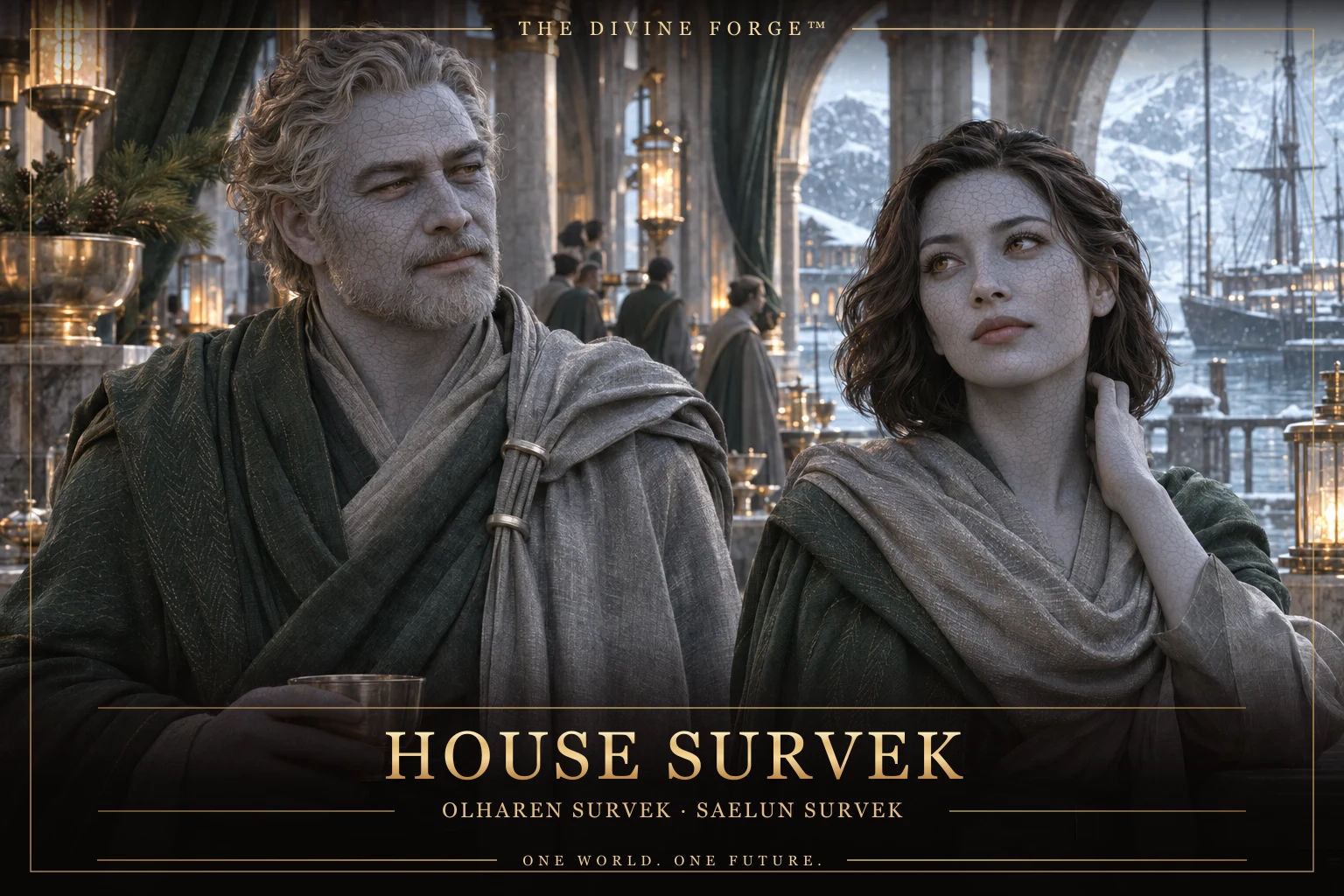
Vel-Suran House Survek Selya Survek
House Survek Olharen Survek and Saelun Survek World & Historical Background
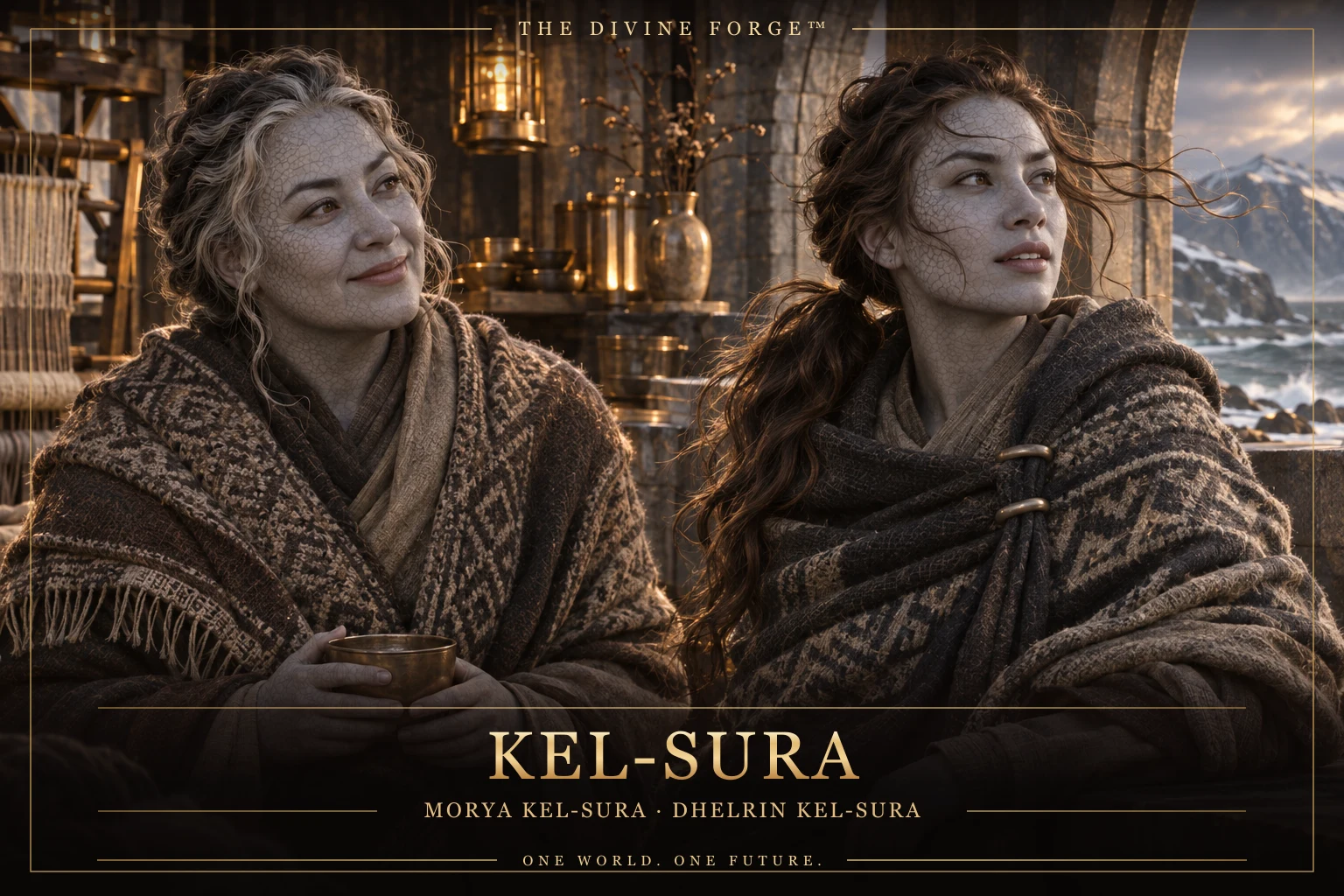
Kel-Sura coastal communities Coastal communities of Vel-Suran.
Kel-Sura · Coastal family Morya Kel-Sura and Dhelrin Kel-Sura World & Historical Background
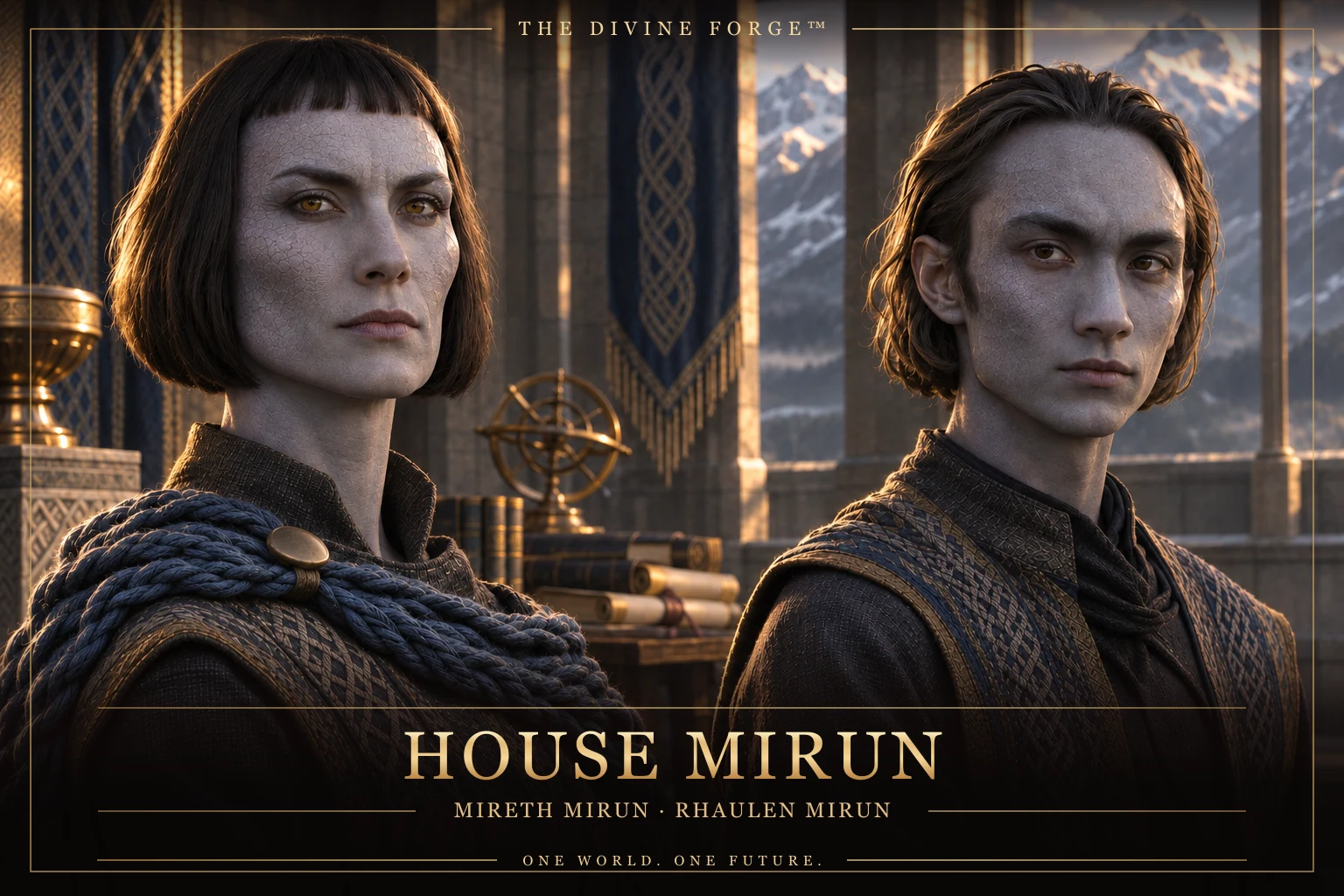
Hrath-Mirun House Mirun Torhven Mirun
House Mirun Mireth Mirun and Rhaulen Mirun World & Historical Background
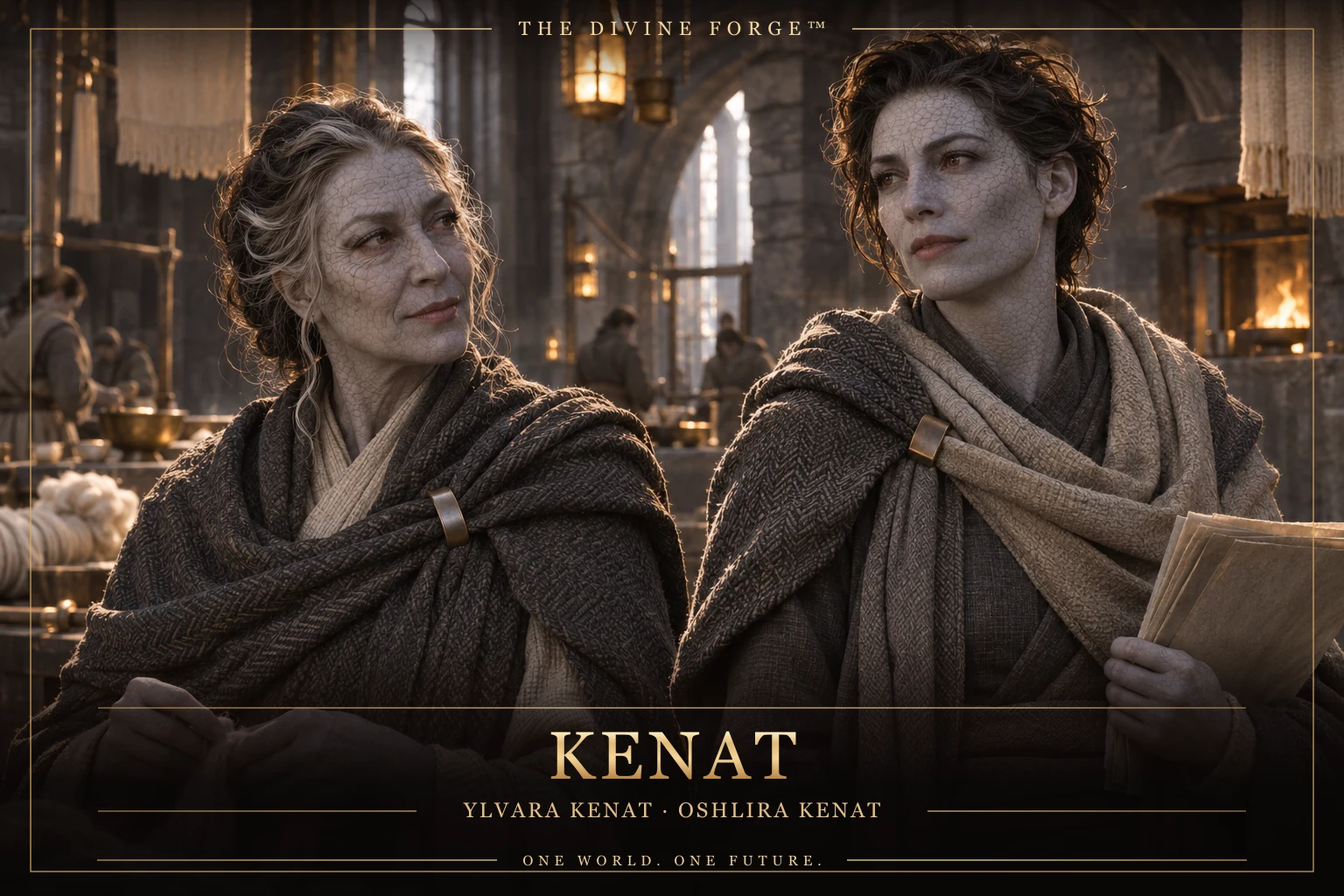
Kenat lineage · HRME’RUT Kenat lineage and elected civil service within HRME’RUT.
Kenat · HRME’RUT Ylvara Kenat and Oshlira Kenat World & Historical Background
Ishtarel House Ishtan Veyra Ishtan
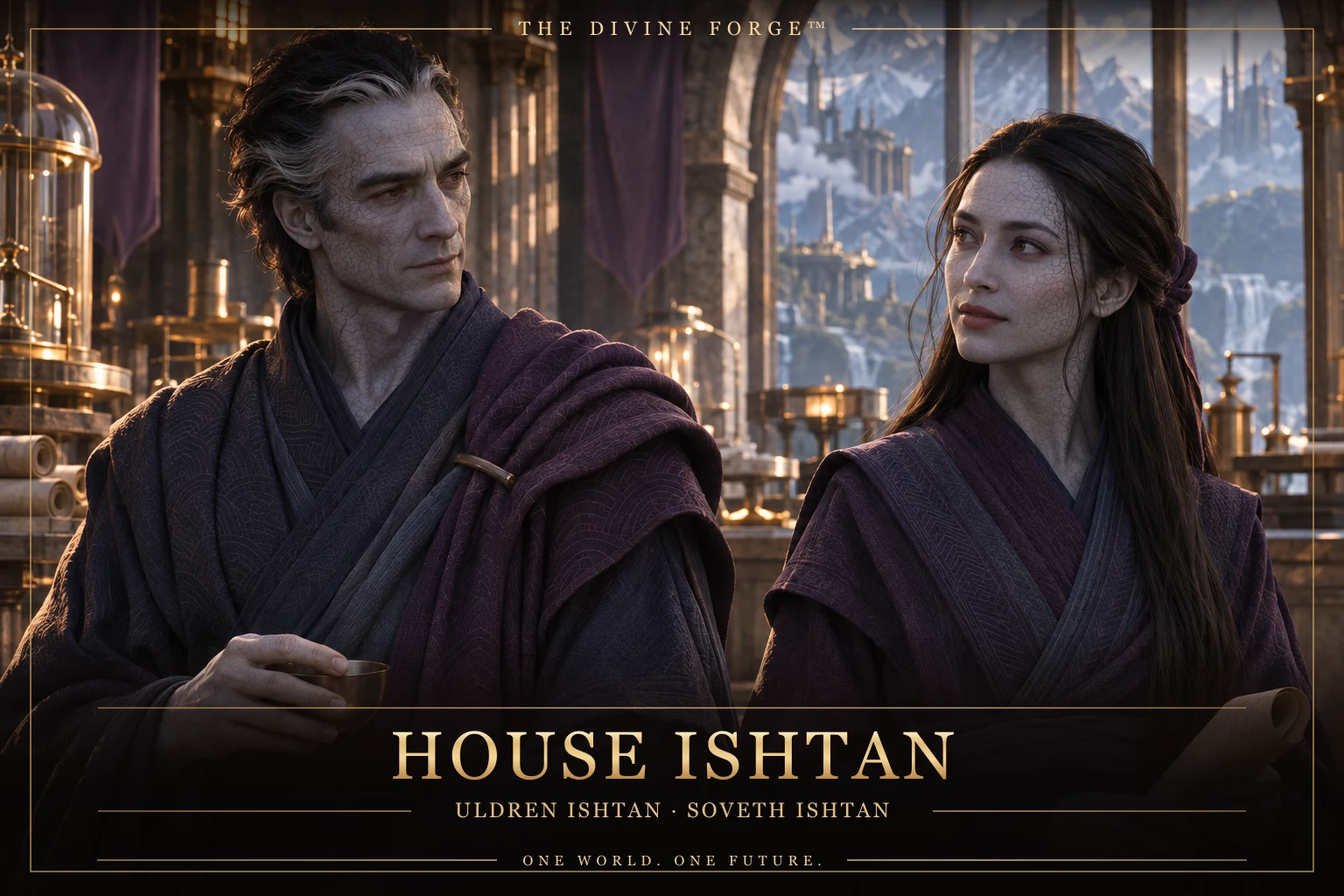
House Ishtan Uldren Ishtan and Soveth Ishtan World & Historical Background
Ishtar religious community Religious community of Ishtarel.
Thur-Varkhen House Varkhen Ordhak Varkhen
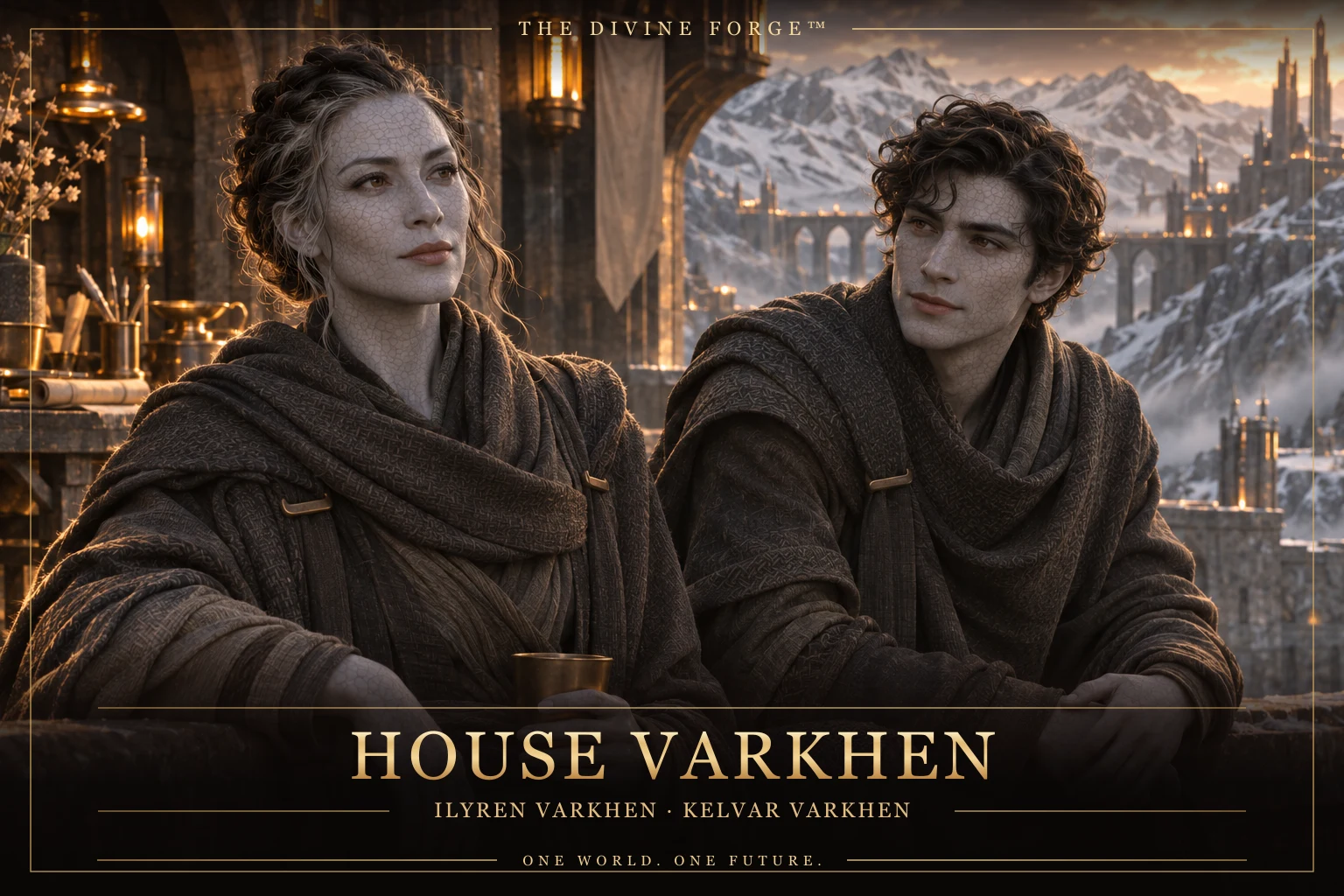
House Varkhen Ilyren Varkhen and Kelvar Varkhen World & Historical Background
Clan Thurakh Clan of Thur-Varkhen.
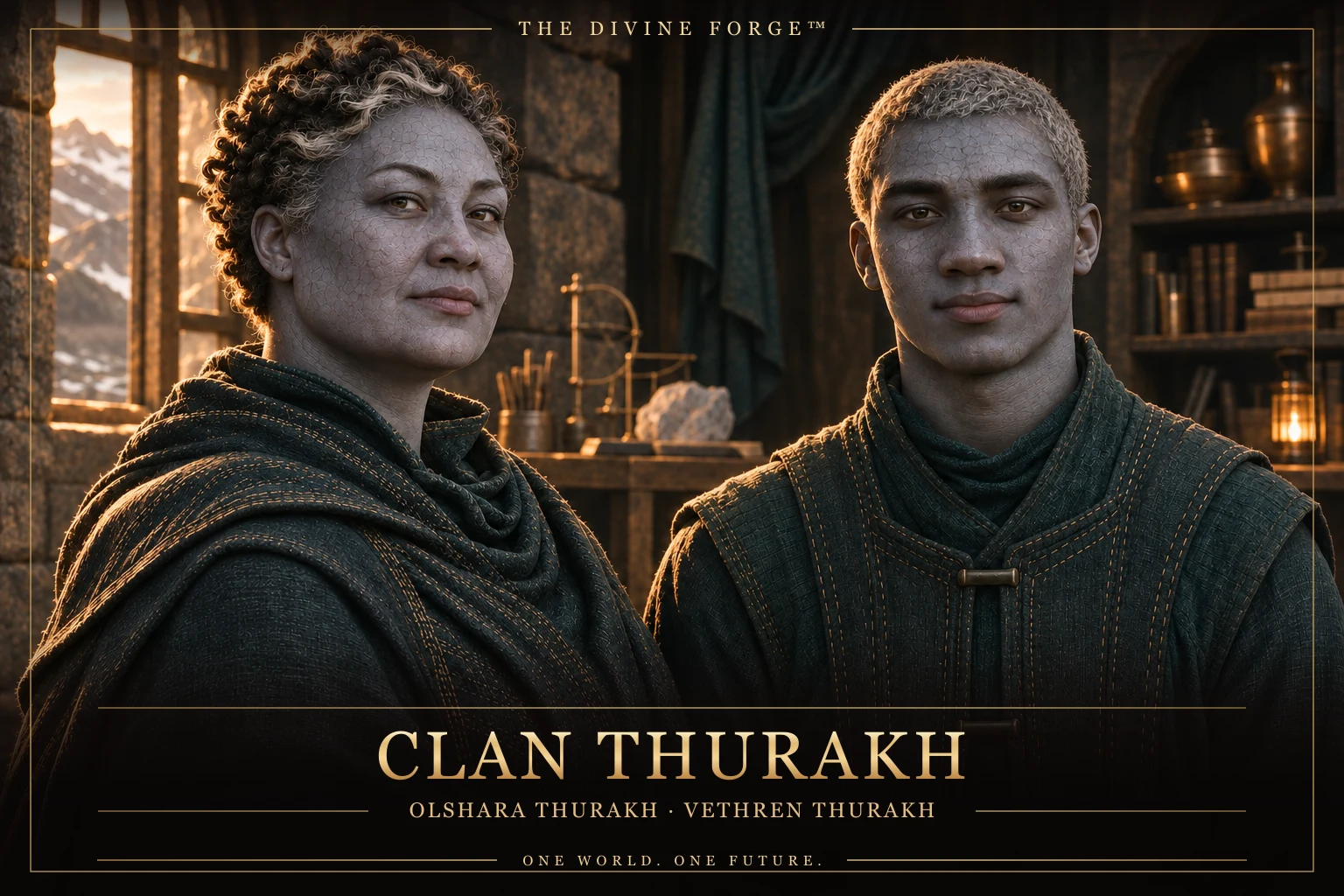
Clan Thurakh Olshara Thurakh and Vethren Thurakh World & Historical Background
Osh-Kelun House Kelun Dhalia Kelun
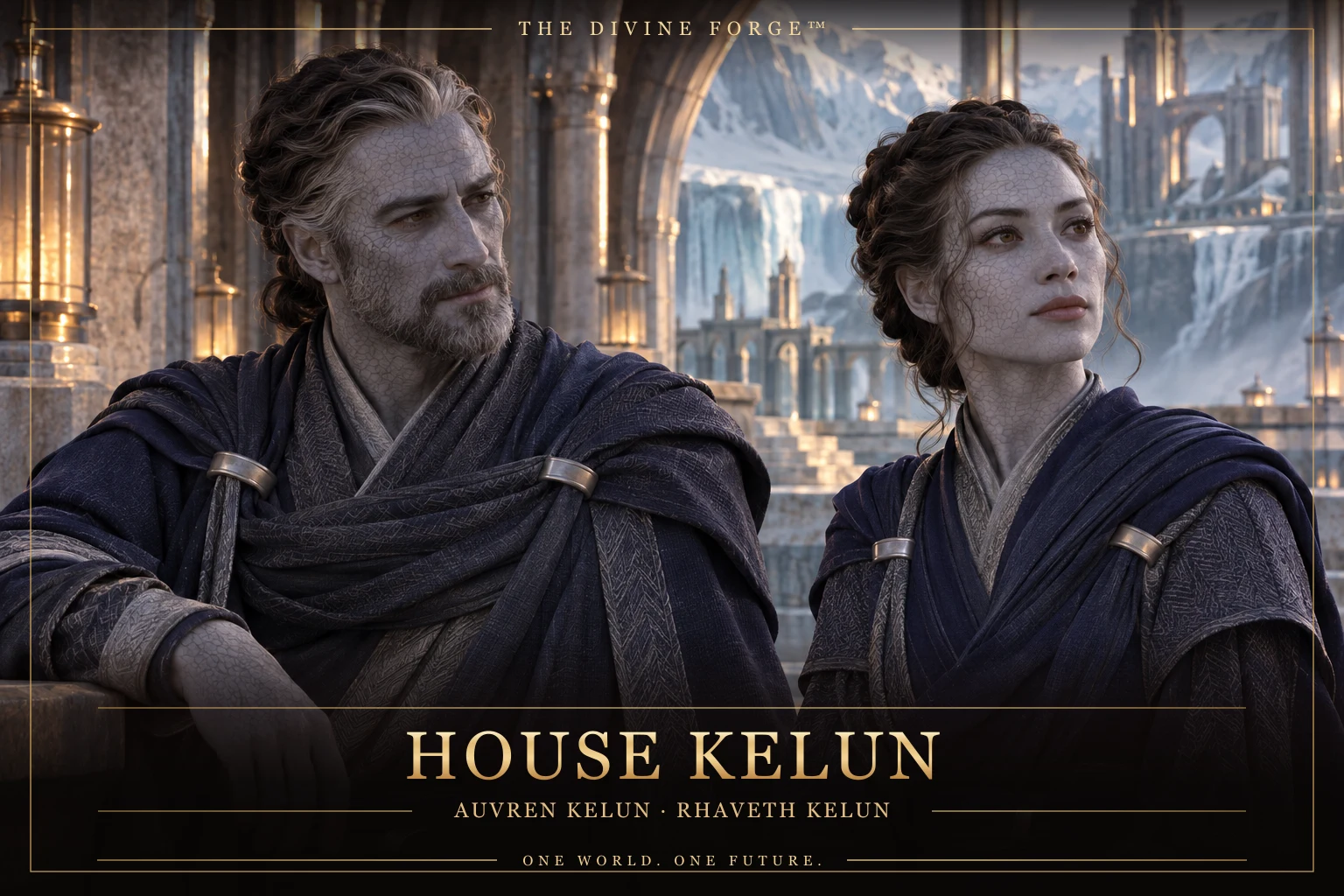
House Kelun Auvren Kelun and Rhaveth Kelun World & Historical Background
Nhar-Ulen House Ulen Urvak Ulen
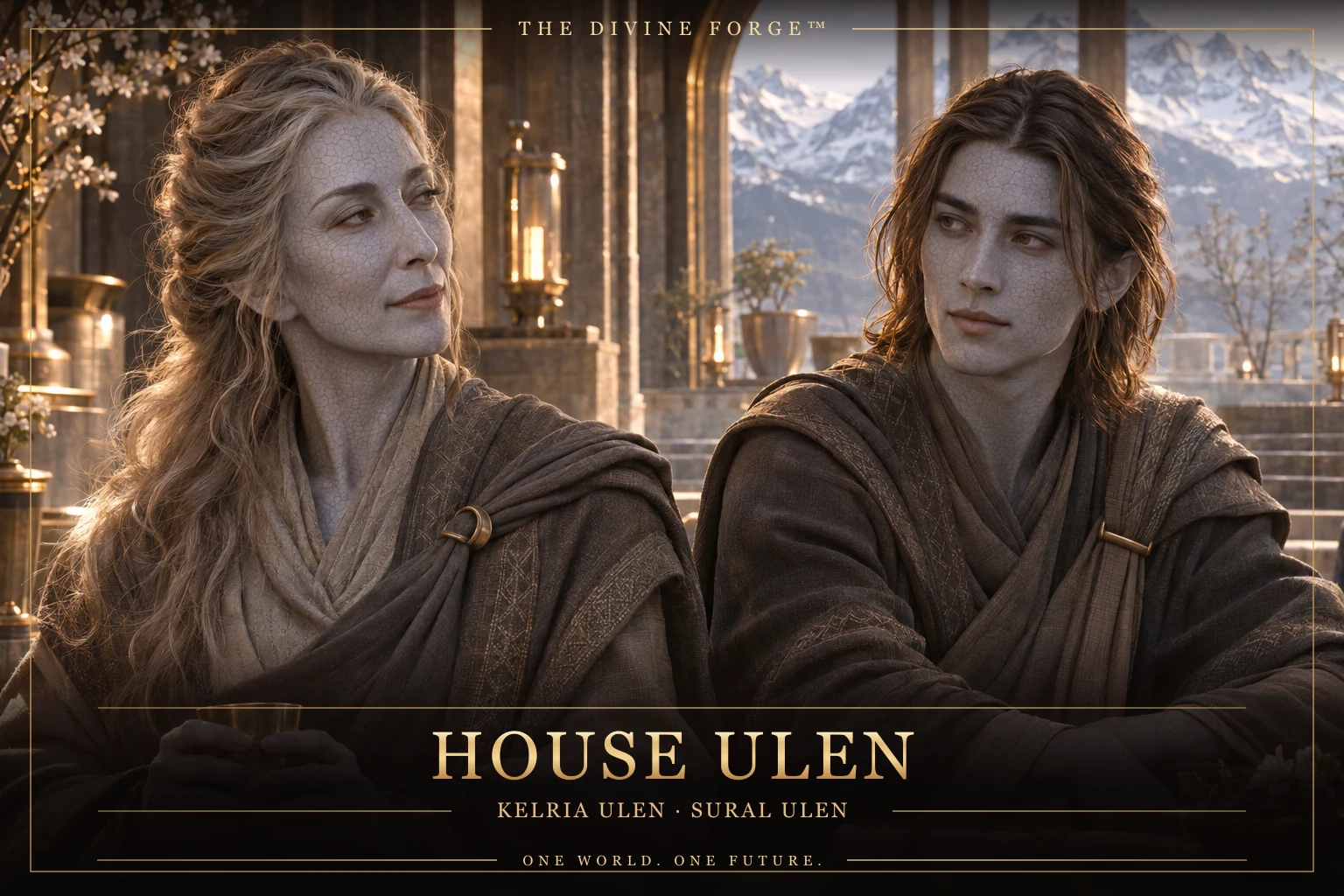
House Ulen Kelria Ulen and Sural Ulen World & Historical Background
Communities & institutions
Clan, community and institutional affiliations record the different ways people belong to Tiåmåt.
Kal-Thurim Northern council. The Great Guardian is elected.
Vel-Thuri Scientific and monastic enclave with its own community.
Qur-Azheq Aqmorita community with distinct civil, confederal and liberation figures.
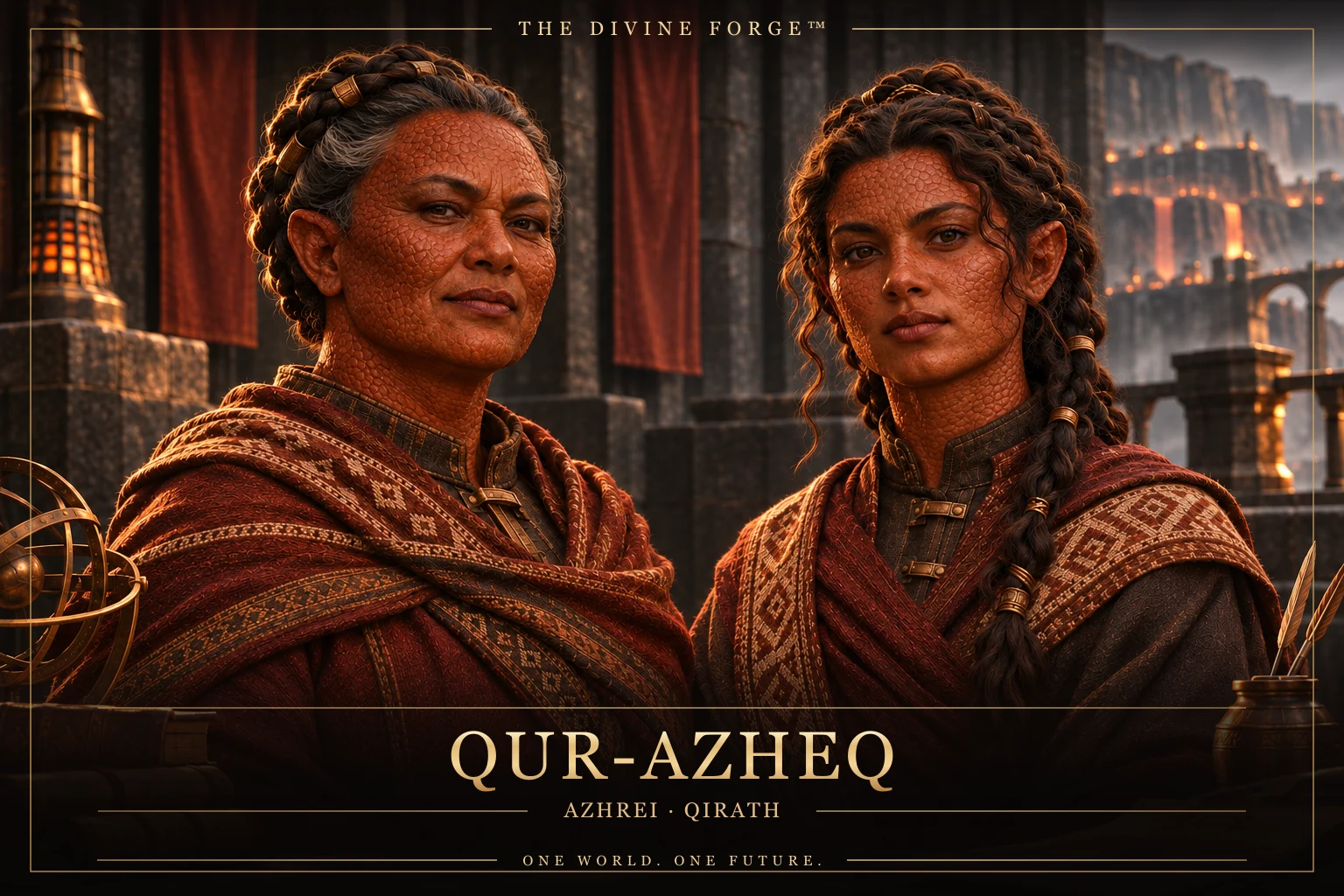
Qur-Azheq · Veqshur's family Azhrei and Qirath World & Historical Background
Voq-Deraq Aqmorita community of warm-water navigators.
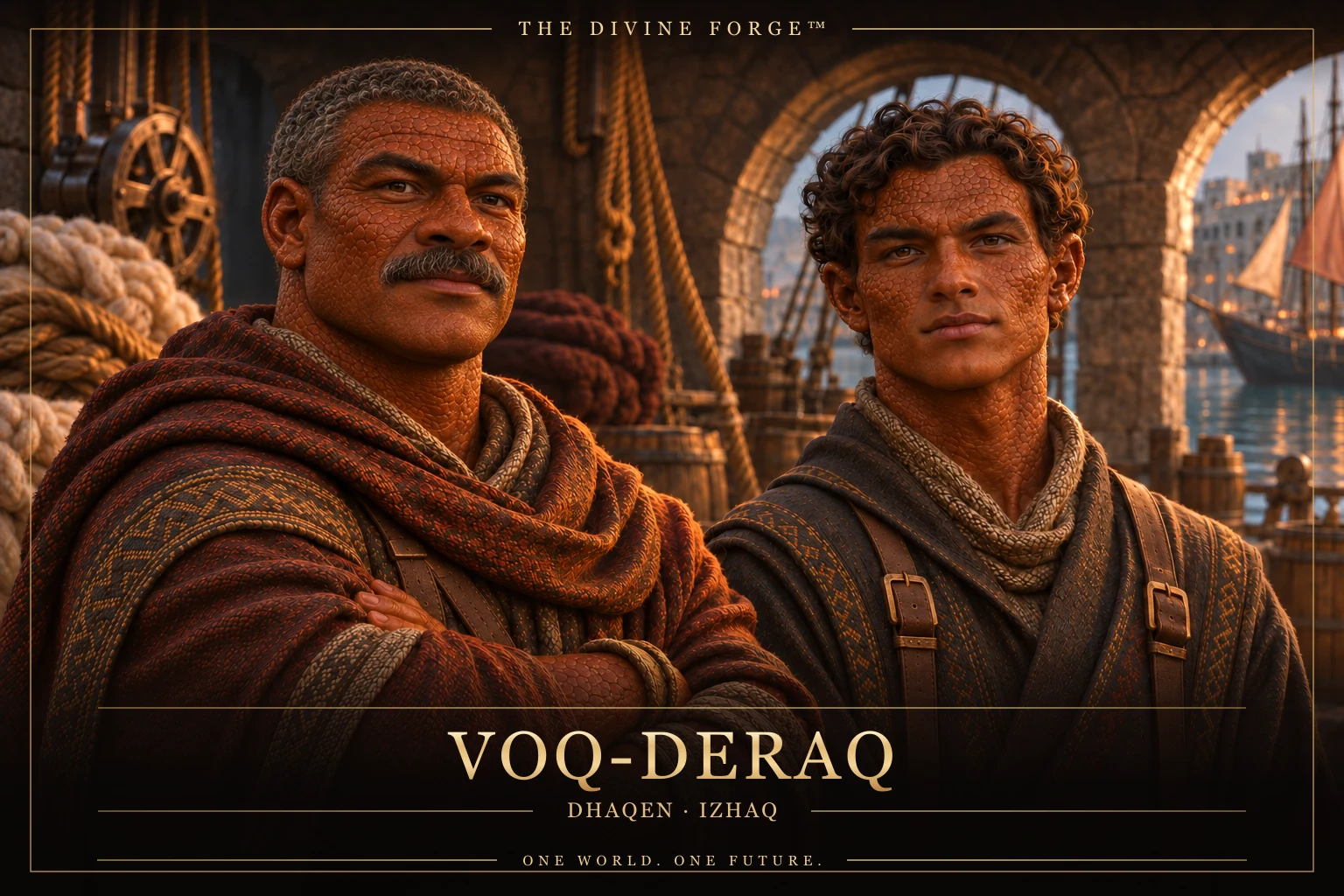
Voq-Deraq · Iqvara's family Dhaqen and Izhaq World & Historical Background
Qur-Thaq Aqmorita community with distinct civil, religious and labor histories.
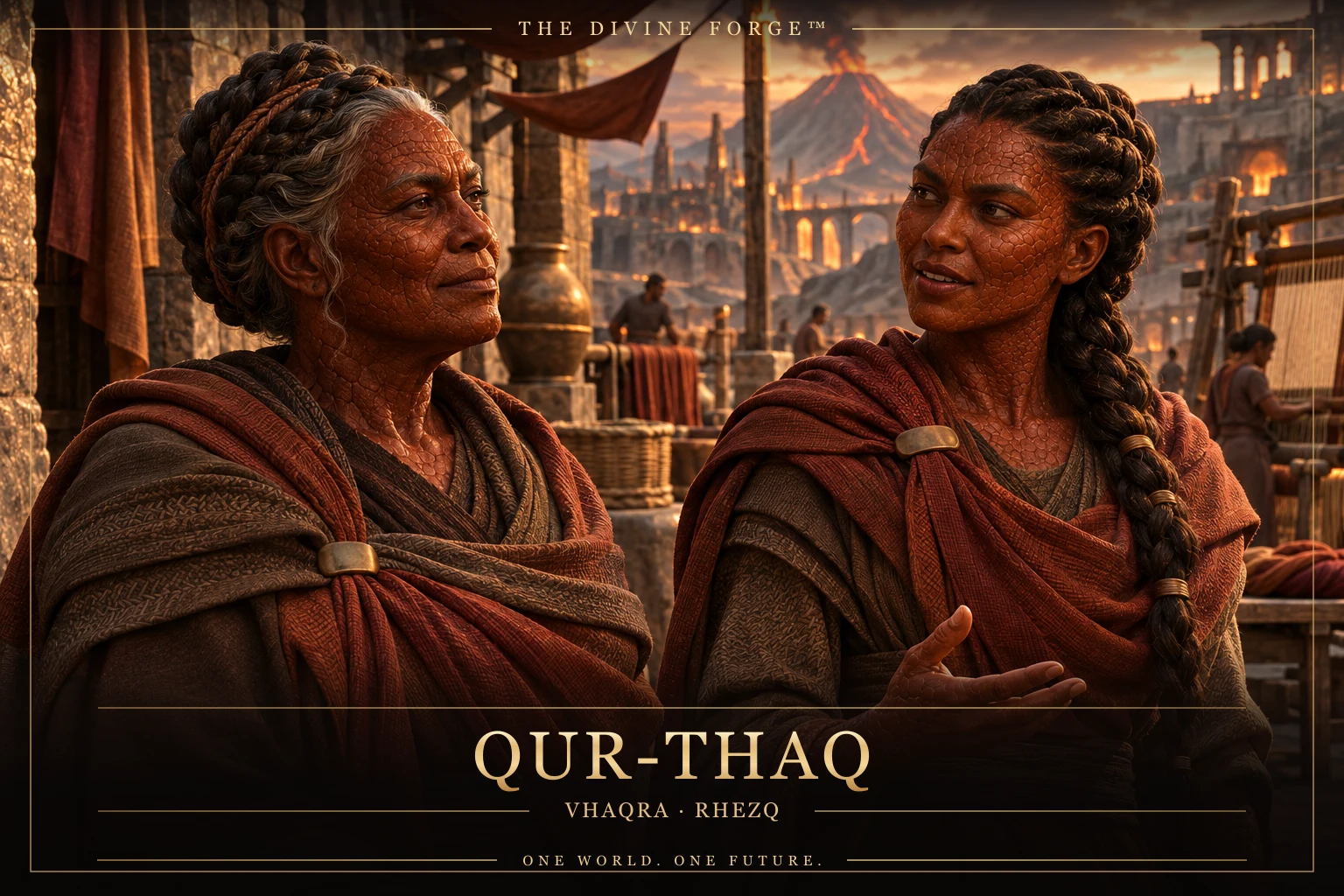
Qur-Thaq · Ghurreq's family Vhaqra and Rhezq World & Historical Background
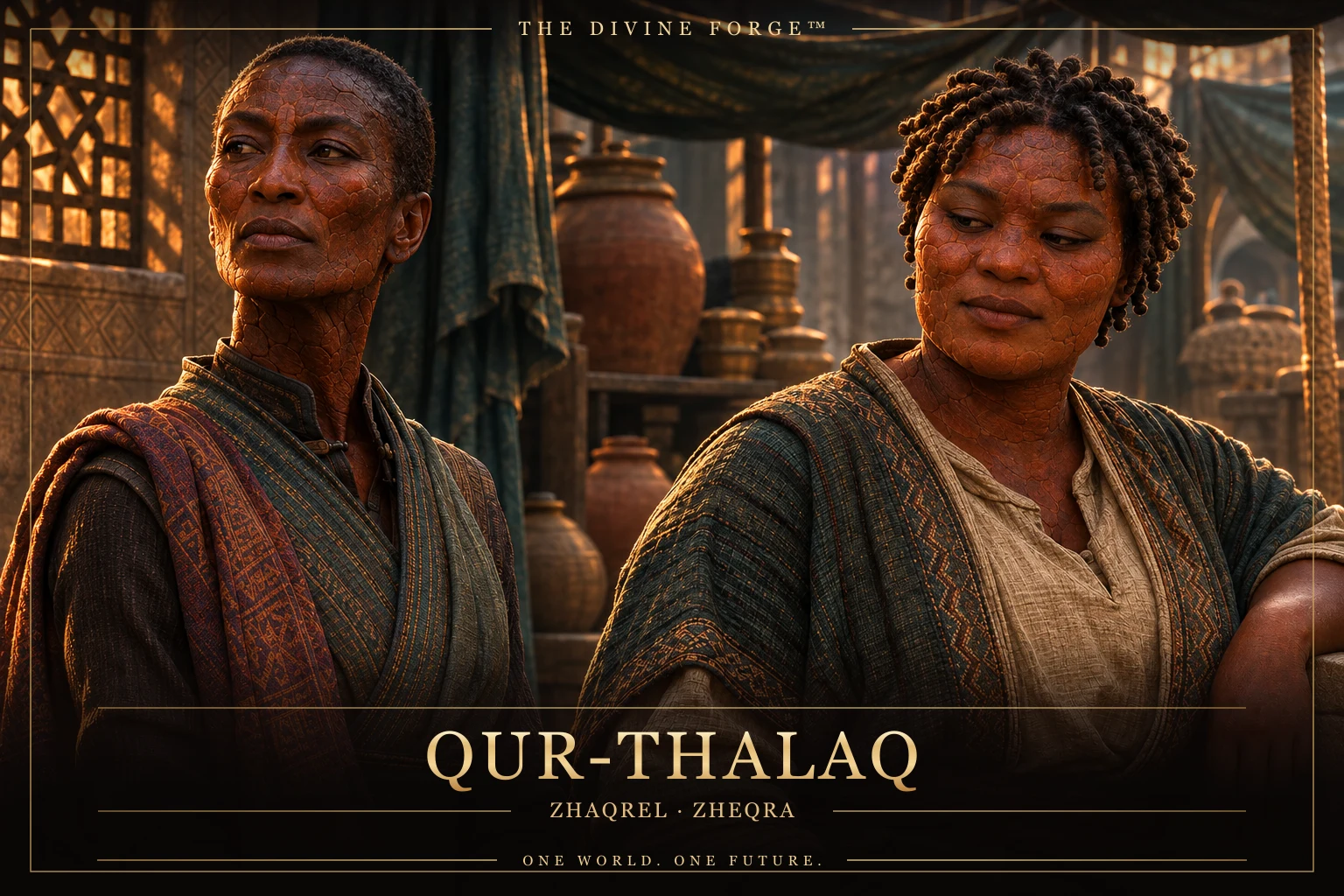
Vhaqra Wife of Ghurreq Rhezq Daughter of Ghurreq and Vhaqra Qur-Thalaq Aqmorita community connected to trade and freely settled families.
Qur-Thalaq · Thaqir's family Zhaqrel and Zheqra World & Historical Background
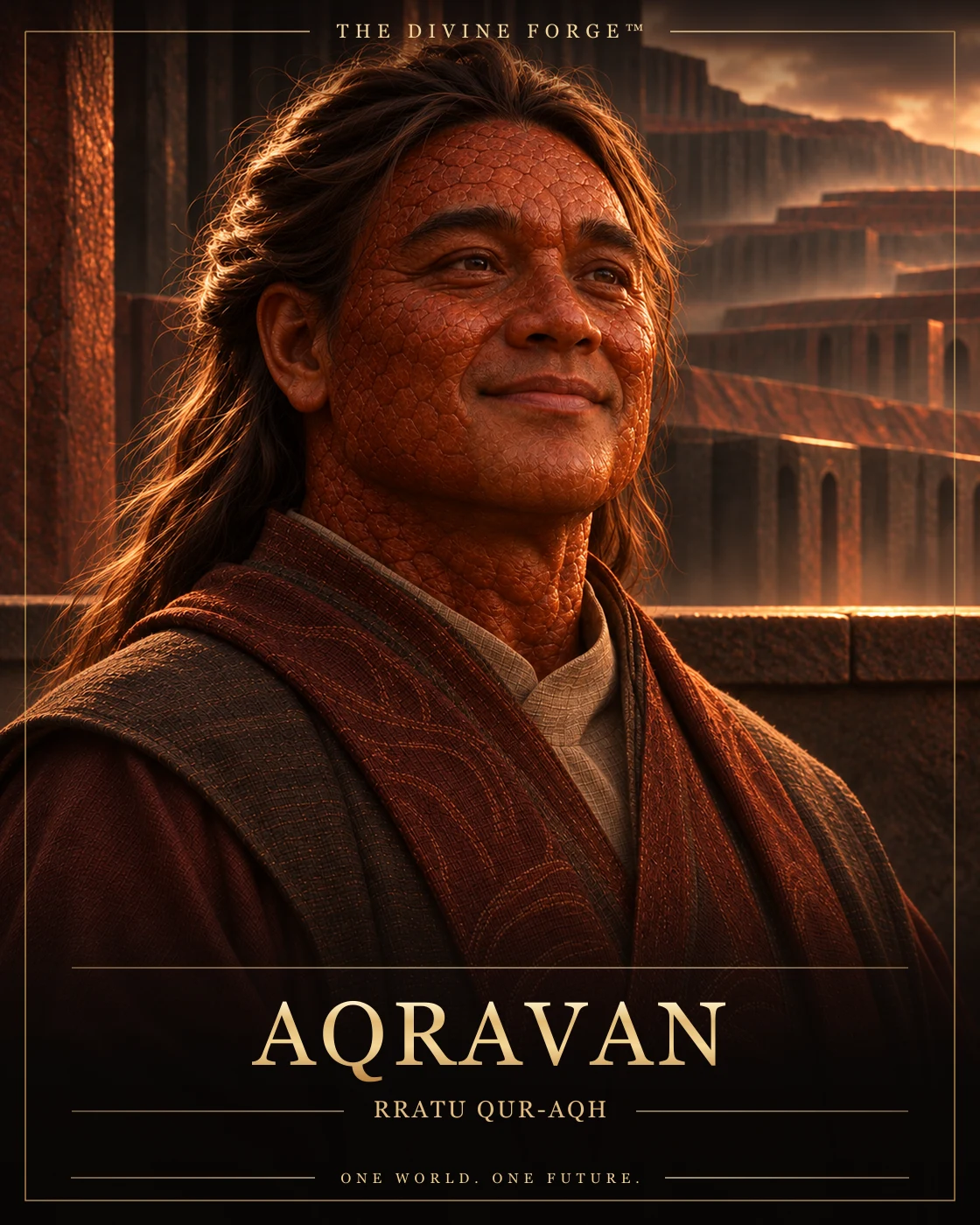
Zhaqrel Commercial coordinator and wife of Thaqir Zheqra Daughter of Thaqir and Zhaqrel Rratu Qur-Aqh Confederal organization.
Rratu Qur-Aqh Aqravan World & Historical Background
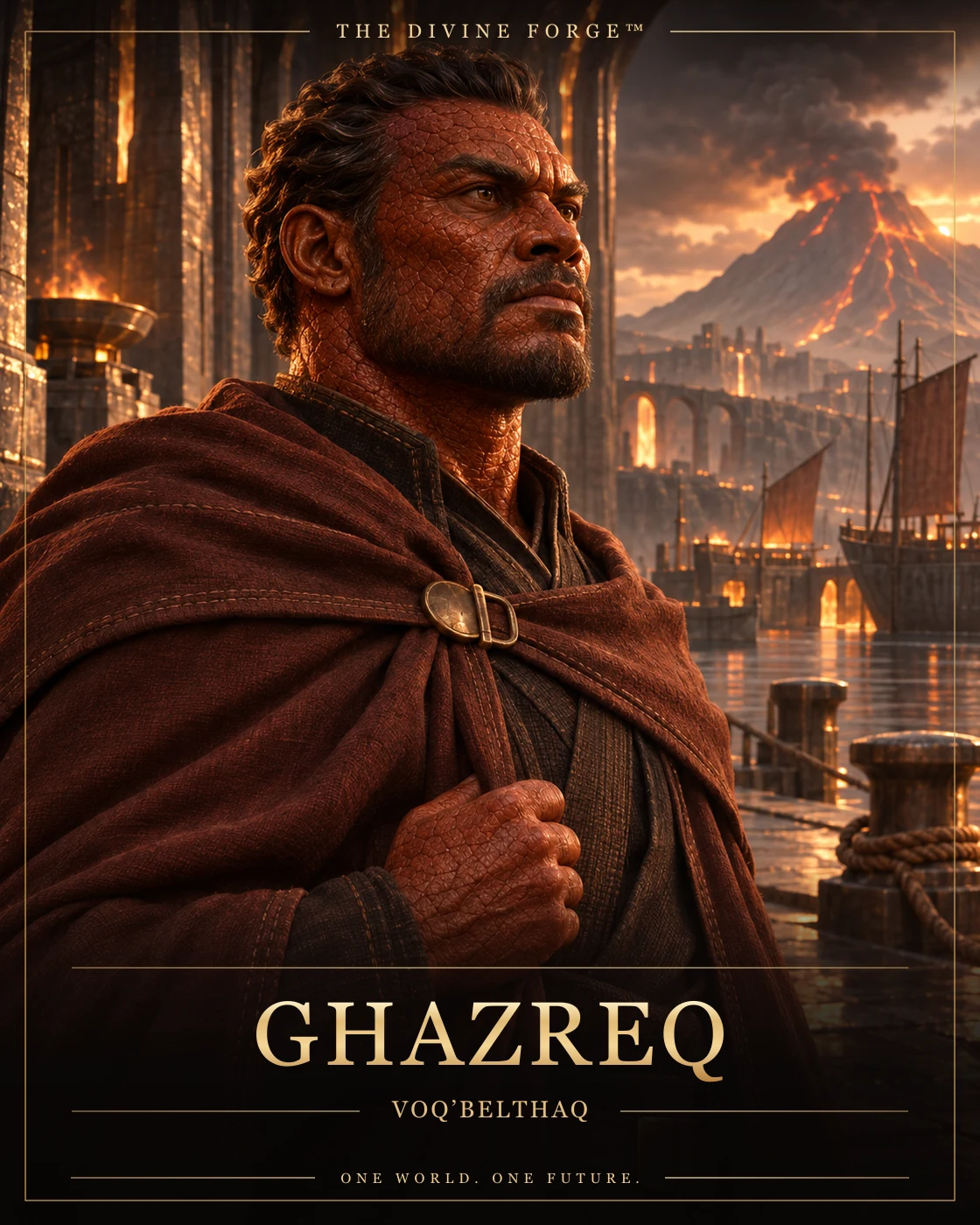
Aqravan Confederal coordinator of Rratu Qur-Aqh Voq’Belthaq Aqmorita organization led by Ghazreq.
Voq’Belthaq Ghazreq World & Historical Background
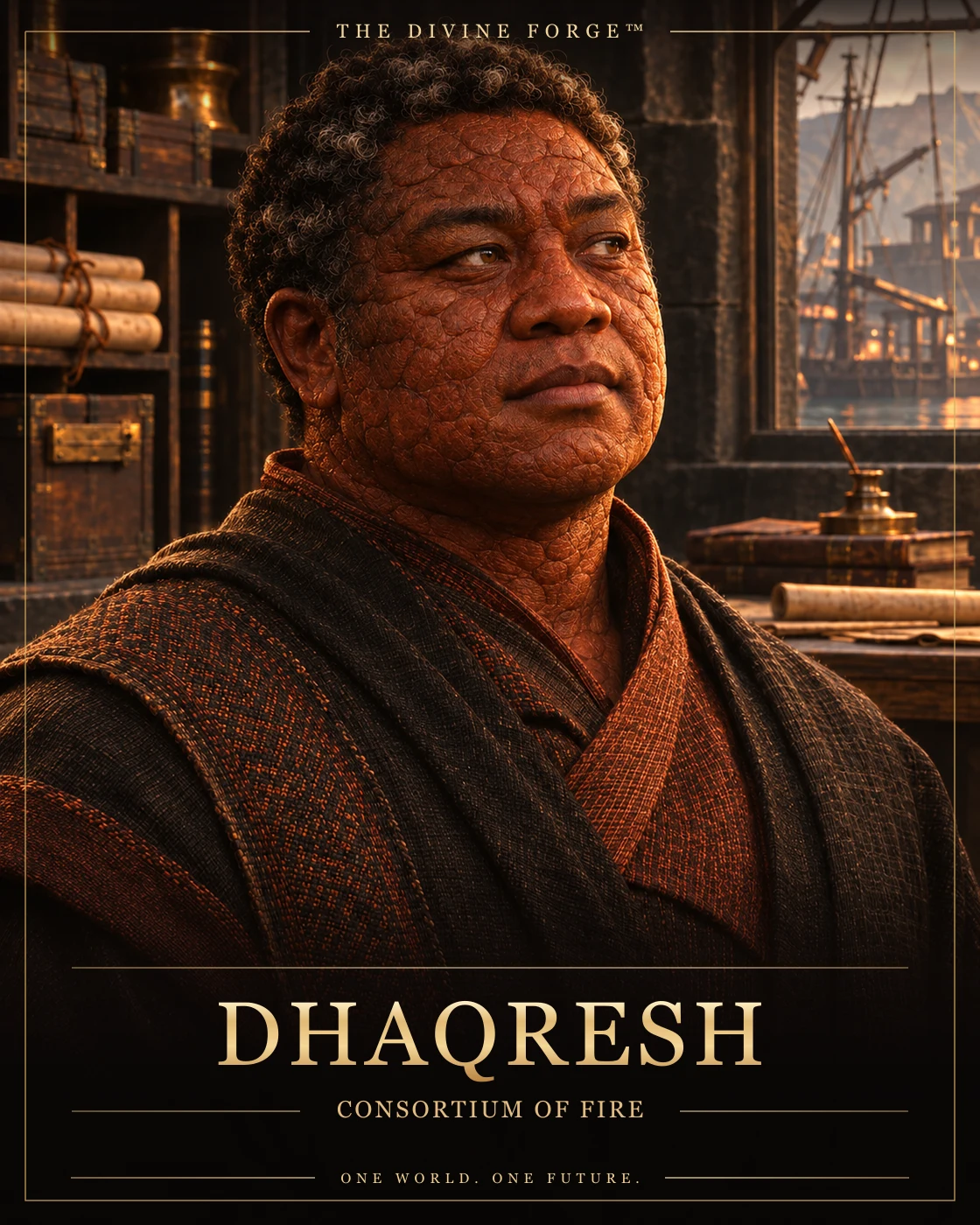
Consortium of Fire Aqmorita commercial organization.
Consortium of Fire Dhaqresh World & Historical Background
Dhaqresh Trade coordinator of the Consortium of Fire Voq’Qur Religious movement led by Qohath Vaqshti.
Voq’Neqhir Cell directed by Neshir.
Temple of Aqmo Temple of the Solar Sect.
House power and territorial power Major and Minor Houses A Major House can govern resources, forces, institutions and subordinate Houses without being a Domain in its own right. A Minor House can retain name, property, archives, internal leadership and a professional tradition while relying on a greater power for protection or access. The relationship can take the form of patronage, service, alliance or material dependency.
A seat belongs to a Domain Several Houses can compete within one Domain without dividing its vote. Kharet contains both Kishkur and Akdar, yet has one ordinary vote. A King of a House, a territorial Regent, the Crown, the High Voice and the Supreme Arbiter are distinct offices, even when one person holds more than one.
Tarek makes that distinction explicit. The Kal-Muzar recognized the Domain to secure the peace without declaring Ak-Malurk’s conquest morally legitimate. Its seat belonged to Tarek itself; House Malurk’s control of the territory allowed its ruler to represent the Domain.
Protection and obligation Patronage can provide housing, education, employment, credit or defense before an authority. It can also make access conditional on loyalty and service. A House can hold installations or commercial influence beyond its home territory without acquiring that other Domain’s vote.
The Kal-Muzar · Peoples & cultures · Daily life